
Licensed & Insured
Flooring Repair & Installation — Salt Lake County, UT
Floors That Look Great and Feel Solid Underfoot
Squeaky, damaged, or just plain ugly — we fix it. New installs, repairs, and everything in between.
Your Floors Are the Foundation of Every Room
Bad floors ruin a room. Squeaky subfloor, cracked tile, gaps in the laminate, water-damaged planks — you notice it every single day. And if you're thinking about selling, buyers notice it in the first 30 seconds.
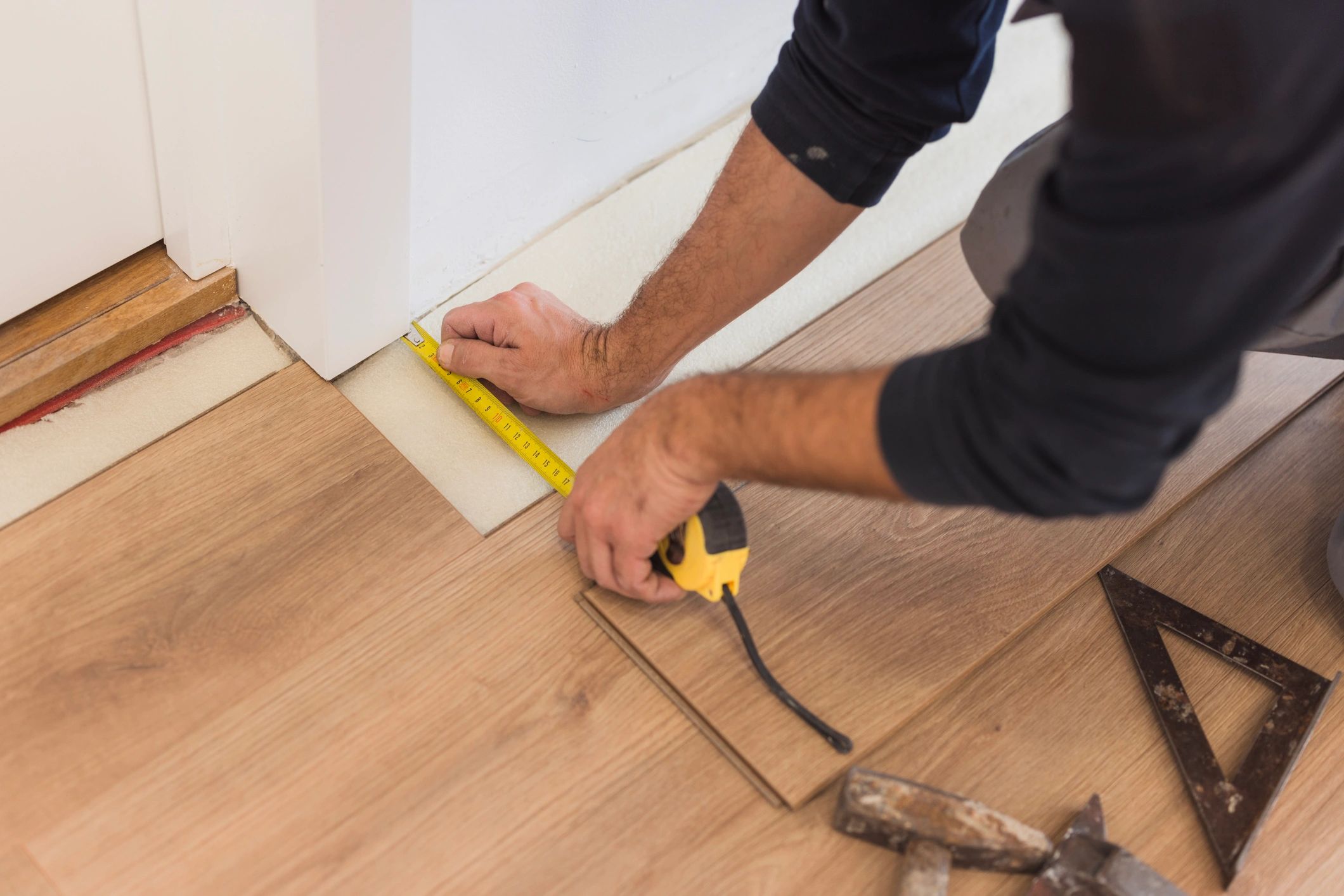
Javier has installed and repaired flooring across dozens of homes — hardwood, LVP, laminate, tile, and everything in between. He understands subfloor prep (which most people skip and then wonder why their floor fails), proper acclimation, and the details that make a floor last.
Whether you need one room done or the whole house, we approach it the same way: prep the subfloor right, install with care, and finish the transitions and trim so the whole thing looks intentional.
Scope of Work
What We Install & Repair
- Luxury Vinyl Plank (LVP) installation
- Vinyl plank flooring installation
- Laminate flooring installation
- Hardwood flooring installation
- Engineered hardwood flooring
- Tile flooring installation
- Flooring installation
- Flooring replacement
- Floor repair
- Water damaged flooring
- Uneven floors
- Squeaky floors
- Soft or spongy floors
- Subfloor repair
- Subfloor leveling
- Floor transitions
- Stair nose installation
- Flooring tear-out & removal
- Basement flooring
- Kitchen flooring
- Bathroom flooring
- Whole-home flooring installation
- Flooring during remodeling
- Flooring for home renovations
Let's Talk About Your Project?
The JKV Difference
Why Homeowners in Salt Lake County Choose JKV
Subfloor First, Always
A beautiful floor on a bad subfloor fails fast. We assess and repair the subfloor before any new material goes down — no shortcuts.
Clean, Tight Installations
Javier takes his time with layout, cuts, and transitions. The result is a floor that looks like it was always supposed to be there.
Material Guidance
Not sure whether to go hardwood, LVP, or tile? We'll walk you through the tradeoffs for your specific space, traffic, and budget.
Frequently Asked Questions
Flooring Questions Homeowners Often Ask
Whether you're repairing a damaged area, replacing worn flooring, or installing something new throughout your home, it's natural to have questions before getting started. From choosing the right material to understanding what happens underneath the floor you'll actually see, these answers are here to help you feel more informed and confident before your project begins.
Do I need to replace all of my flooring, or can part of it be repaired?
That's usually one of the first questions homeowners ask, and it's completely understandable. Replacing all the flooring in a home is a much bigger investment than repairing one damaged area, so it's natural to wonder if a smaller solution will work.
In many cases, flooring can be repaired. Scratches, loose planks, damaged boards, separated seams, or isolated areas may be good candidates for repair, depending on the type of flooring and whether matching materials are still available. Other situations—such as widespread water damage, discontinued flooring, or wear throughout the room—may make replacement the more practical long-term option.
One thing that surprises many homeowners is that the visible damage isn't always the biggest issue. Sometimes the condition of the subfloor underneath, previous repairs, or the age of the flooring play a much bigger role in deciding the best approach.
That's one reason we believe it's important to look at the entire floor before recommending a solution. Our goal isn't to sell the biggest project—it's to help you understand which option makes the most sense for your home.
Sometimes the right answer is replacing one board. Sometimes it's replacing the room. Understanding the difference is what matters.
JKV Tip: If you still have leftover flooring from the original installation, let us know during the estimate. Matching repairs are often much easier when original materials are available.
How should I prepare before flooring installation or repair begins?
Preparing the space ahead of time is one of the best ways to help your flooring project get off to a smooth start.
Before work begins, furniture, rugs, electronics, decorations, plants, breakable items, and personal belongings should be completely removed from the work area whenever possible. Items shouldn't simply be pushed into another part of the room because flooring projects usually require access across the entire floor. If baseboards or trim are being removed, wall decorations near the work area should also be taken down beforehand.
We know moving furniture isn't anyone's favorite part of a project, but we've found that a clear workspace protects your belongings and allows work to begin immediately instead of spending valuable time working around obstacles.
That's one reason we believe good preparation is part of a successful installation. The less time spent moving around belongings, the more attention can stay focused on installing your new floor correctly.
A well-prepared room helps protect the things you care about and allows us to focus on the work you hired us to do.
JKV Tip: If something is heavy, valuable, sentimental, or difficult to replace, it's always safest to have it removed from the work area before installation begins.
Will my doors, baseboards, or trim need to be adjusted after new flooring is installed?
This is one of those questions many homeowners don't think to ask until the project is already underway.
The answer depends on the type of flooring being installed and the thickness of the new material compared to the existing floor. Sometimes doors need to be trimmed slightly so they open and close properly. In other cases, baseboards or quarter round may need to be removed and reinstalled to create a clean finished appearance, and transitions may be needed where different flooring materials meet.
One thing homeowners often don't realize is that flooring affects much more than just the surface you walk on. It also changes how doors, trim, appliances, and adjoining rooms come together. Taking those details into account is what helps the finished project look complete instead of looking like new flooring was simply laid on top of the old.
That's one reason we believe flooring should always be looked at as part of the entire room. Paying attention to the finishing details often makes the biggest difference in how the completed project feels.
Beautiful flooring deserves beautiful finishing details.
JKV Tip: If there are doors that already rub the floor or don't close properly, mention them during the estimate. Installing new flooring is often the perfect time to address those issues.
What's the best type of flooring for my home?
This is probably one of the most common questions homeowners ask, but there isn't one answer that's right for every family.
The best flooring depends on how you actually live in your home. Families with young children may have different priorities than someone renovating a guest room. Pet owners often think about scratches and moisture, while others may care most about comfort, appearance, maintenance, or budget. Luxury vinyl plank, laminate, engineered hardwood, tile, and other flooring products all have strengths depending on the space they're being used in.
One thing we've learned after talking with homeowners is that choosing flooring isn't really about choosing a product—it's about choosing a floor that fits your lifestyle. A beautiful floor that constantly makes you worry about everyday life probably isn't the best fit, no matter how nice it looks.
That's one reason we spend time understanding how a room is actually used before talking about materials. Helping homeowners choose flooring that works for the way they live often leads to better long-term satisfaction than simply choosing what's popular.
The best floor isn't necessarily the most expensive one—it's the one that still makes sense years after it's installed.
JKV Tip: Before choosing a flooring product, think about who uses the room every day. Kids, pets, guests, moisture, and heavy traffic all play a role in finding the right fit.
Can you install flooring that I purchase myself?
Absolutely. Many homeowners enjoy shopping for flooring themselves, whether they've already found the perfect color, taken advantage of a sale, or simply like choosing the materials personally.
If you're supplying the flooring, one thing that's worth keeping in mind is that different products have different installation requirements. Some need specific underlayment, moisture barriers, expansion gaps, transitions, or trim pieces that aren't always obvious when you're standing in the flooring aisle. Ordering the correct amount is another area where homeowners often have questions, especially when factoring in waste, cuts, closets, and future repairs.
We've had conversations with homeowners who purchased beautiful flooring only to discover they were missing transition pieces or hadn't ordered enough material to finish the project. That's one reason we like answering questions before materials are purchased whenever possible. A short conversation beforehand can often prevent delays, extra trips to the store, or unnecessary frustration.
That's one reason we believe planning should happen before the first box of flooring is opened. Helping homeowners feel confident in their material choices is part of helping the entire project go smoothly.
The goal isn't simply installing flooring—it's helping everything come together the way you imagined it would.
JKV Tip: Before purchasing your flooring, ask whether transitions, stair noses, reducers, baseboards, quarter round, or underlayment are also needed. Those details are easy to overlook but make a big difference in the finished project.
What if my subfloor isn't level or has squeaks?
This is one of those things homeowners usually can't see—but it's one of the most important parts of the entire project.
Your finished floor is only as good as what's underneath it. If the subfloor has movement, squeaks, soft spots, uneven areas, or moisture damage, installing new flooring without addressing those issues may leave you with problems that continue long after the new floor is in place.
One thing that surprises many homeowners is that squeaks don't always come from the flooring itself. They often come from movement between the subfloor and framing below. Uneven areas can also affect how flooring locks together, how it feels underfoot, and how well it performs over time.
That's one reason we believe the subfloor deserves just as much attention as the flooring you'll actually see. Taking the time to evaluate what's underneath often helps prevent problems that are much harder to correct later.
Beautiful flooring starts long before the first plank is installed.
JKV Tip: If there are areas that squeak, bounce, feel soft, or seem uneven when you walk across them, point them out during the estimate. Those are important clues that help us evaluate the floor as a whole.
How long does a typical flooring project take?
One of the biggest questions homeowners have isn't simply, "How long will it take?" It's really, "How long will my home feel turned upside down?"
The answer depends on the size of the project, the type of flooring being installed, whether existing flooring needs to be removed, and whether any repairs or preparation are needed before installation begins. Some projects move quickly, while others take a little more time because each step builds on the one before it.
One thing we've learned after working in people's homes is that homeowners usually aren't looking for an exact hour-by-hour schedule. They simply want to know what to expect so they can plan around family life, pets, work schedules, and everything else happening at home.
That's one reason we believe communication starts before the first piece of flooring is installed. Talking through the expected sequence of work, what each day may look like, and when different rooms will be available again helps everyone feel much more prepared.
A clear expectation is often just as valuable as a fast timeline.
JKV Tip: If you're planning around holidays, family visiting, moving day, appliance deliveries, or another contractor's schedule, let us know during the estimate. It's much easier to plan ahead than adjust after work begins.
What usually surprises homeowners during a flooring project?
Probably how many little details go into making a new floor look like it has always belonged there.
Most homeowners naturally focus on the flooring itself—the color, the pattern, or the style. What often surprises them is everything happening around it. Removing existing flooring, preparing the subfloor, trimming doors, reinstalling baseboards, adding transitions, protecting nearby finishes, and making sure the flooring flows naturally from one room to the next all contribute to the finished appearance.
Another surprise is how much difference preparation makes. A smooth, level, properly prepared surface gives the new flooring the best opportunity to look good and perform well for years to come.
That's one reason we believe a successful flooring project is about much more than laying planks or tile. It's about paying attention to all of the finishing details that make the room feel complete.
People usually notice the new floor. What they remember is how the entire room feels when everything comes together.
JKV Tip: During your estimate, ask what finishing details are included in your project. Understanding things like transitions, trim, door adjustments, and cleanup before work begins helps everyone share the same expectations.
Does my subfloor really have to be level before installing new flooring?
This is one of the most common questions we hear, especially from homeowners installing luxury vinyl plank (LVP). It's understandable because you've probably heard someone say, "LVP can go right over an existing floor," and in some situations that's true.
What often gets left out of that conversation is that the flooring manufacturer still has requirements for how flat and stable the surface underneath needs to be. Those aren't the same thing.
Luxury vinyl plank is designed to flex slightly as you walk on it, but it isn't designed to bridge dips, high spots, soft areas, loose subfloors, or uneven surfaces. If the floor underneath isn't properly prepared, the finished floor may develop movement, gaps, damaged locking joints, squeaks, or premature wear over time.
One thing that surprises many homeowners is that a floor can look level without actually being flat enough for the flooring being installed. That's why the condition of the subfloor is just as important as the flooring itself.
That's one reason we believe proper preparation isn't an "extra"—it's part of installing the floor correctly. We'd much rather have an honest conversation about the condition of the subfloor before installation than have a homeowner dealing with preventable problems months or years later.
Beautiful flooring begins underneath the flooring you'll never see.
JKV Tip: If someone tells you, "It'll probably be fine," ask what the flooring manufacturer requires for subfloor flatness. The installation instructions—not opinions—are usually the best place to start.
Can new flooring be installed over my existing floor?
Many homeowners are surprised to learn that the answer isn't simply yes or no.
Sometimes existing flooring can remain in place. Other times it should be removed first. The best approach depends on the type of flooring already in the home, its condition, how flat it is, whether moisture is present, how it affects doors and transitions, and whether the new flooring manufacturer even allows installation over that particular surface.
One thing we've learned is that homeowners often focus on saving the time and expense of removing the old floor, while we're also thinking about how the new floor will perform five, ten, or fifteen years from now. Taking shortcuts underneath a new floor can create problems that are much more difficult—and much more expensive—to correct later.
That's one reason we believe every flooring project should begin by evaluating what's already there instead of assuming every house should be handled the same way.
The quickest installation isn't always the one that lasts the longest.
JKV Tip: Before purchasing flooring, ask whether the manufacturer approves installation over your existing floor. Different products have different requirements, and following them helps protect your investment.
What should I know about living with and maintaining my new floors after installation?
A new floor is one of the biggest visual changes you can make in your home, and a little care during the first few weeks can help it continue looking its best for years to come.
Different flooring products have different maintenance recommendations, but there are a few habits that benefit almost every floor. Using felt pads under furniture, cleaning up spills promptly, placing mats at exterior doors, and avoiding dragging heavy furniture across the surface all help reduce unnecessary wear.
Many homeowners are surprised to learn that some flooring products also have recommended waiting periods before placing very heavy furniture back in the room or exposing the floor to excessive moisture. Those recommendations vary depending on the material and installation method.
That's one reason we believe a flooring project doesn't end when the last plank is installed. Helping homeowners understand how to care for their investment is simply part of doing the job well.
A beautiful floor isn't just installed—it stays beautiful because it's cared for.
JKV Tip: Before moving heavy furniture back into the room, ask whether your new flooring has any manufacturer recommendations. Waiting a little longer today can help protect your new floor for years to come.
How do I know if my flooring project is a good fit for JKV?
That's a question we genuinely appreciate because every flooring project starts somewhere different.
Some homeowners are replacing worn carpet that's seen better days. Others are updating one room at a time, repairing flooring after water damage, finishing a basement, remodeling an entire home, or simply wanting a space that feels more modern and easier to maintain.
One thing we've learned after helping homeowners with flooring projects is that the best conversations usually happen before anyone starts talking about products. We like understanding how you use the space, what frustrates you about your current floor, and what you'd like to be different when the project is finished. Those answers often matter more than the brand name printed on the box.
That's one reason we believe our job starts with listening, not selling. We want homeowners to understand their options, know why we're making certain recommendations, and feel comfortable asking questions before making a decision. Whether it's one room or your entire home, our goal is to make the process feel straightforward, honest, and comfortable.
The best flooring project isn't simply about replacing what's under your feet—it's about creating a home that works better for the people who live there.
JKV Tip: If you're planning to replace flooring in more than one room over time, let us know during the estimate. Even if today's project is only one area, planning ahead often creates a more cohesive home later.
Other Services You Might Need
Serving homeowners throughout Salt Lake County and the Wasatch Front
Ready to Get This Done?
Call or text us for a free consultation. We show up, we finish the job, and we treat your home like it's ours.