
Licensed & Insured
Basements, Baths & Kitchens Remodeling — Salt Lake County, UT
Basements, Baths & Kitchens That Actually Get Finished
No half-done remodels. No disappearing contractors. JKV starts your project and sees it through — every single time.
Your Home Deserves More Than a Half-Finished Remodel
You've probably heard the horror stories. Contractor takes the deposit, starts demo, then vanishes for three weeks while your bathroom sits in pieces and your family shares one toilet. That's not how JKV works — not even close.
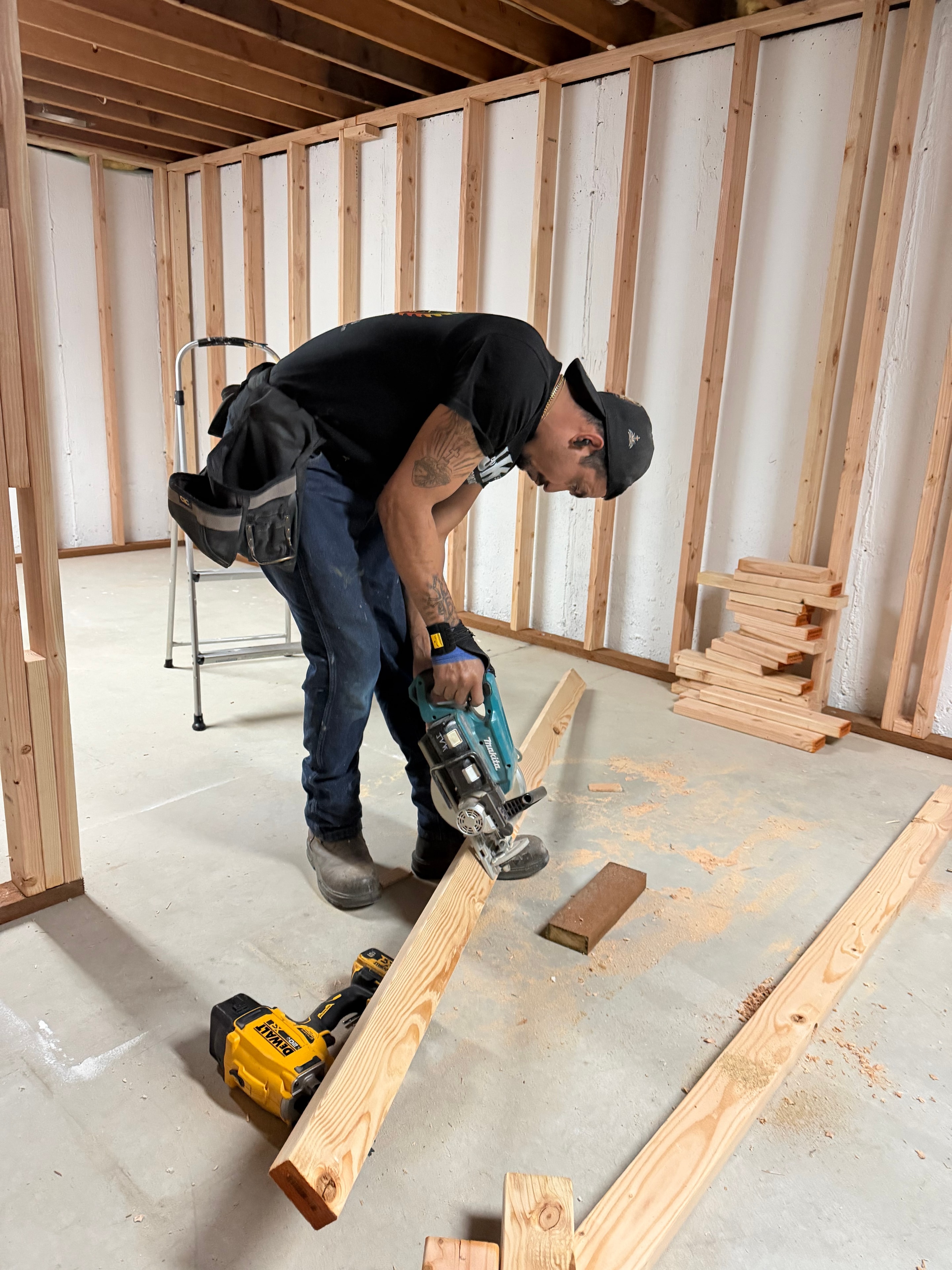
Javier brings years of hands-on experience in framing, concrete, structural work, and finish carpentry. Whether you're finishing an unfinished basement, gutting a dated bathroom, or transforming a cramped kitchen into the heart of your home, we handle it with the same care we'd give our own house.
Karina keeps the project organized, on schedule, and fully communicated — so you're never left wondering what's happening or when we're coming back. You get a professional experience from start to finish, not just a guy with a truck.
Not sure where to begin? Our consultation service is a good way to talk through your project first before any work is scheduled.
Scope of Work
What We Handle
- Basement finishing & remodeling
- Basement remodels
- Basement framing
- Finished basements
- Basement bedrooms
- Basement family rooms
- Basement home offices
- Bathroom remodeling
- Bathroom renovations
- Kitchen remodeling
- Kitchen renovations
- Shower & tub replacements
- Walk-in shower upgrades
- Tile installation
- Kitchen backsplash installation
- Kitchen cabinet installation
- Cabinet replacement
- Countertop installation
- Vanity installation
- Sink installation
- Toilet installation
- Flooring installation
- Interior painting
- Egress window installation
Let's Talk About Your Project?
The JKV Difference
Why Homeowners in Salt Lake County Choose JKV
We Finish What We Start
Javier doesn't juggle 10 jobs at once. When we're on your project, we're on your project — until it's done right.
Multi-Trade Expertise
Framing, tile, drywall, paint, flooring — Javier handles it all. Fewer subs means fewer headaches and a tighter final product.
Transparent from Day One
Karina manages communication, scheduling, and paperwork. You'll always know where your project stands and what comes next.
Frequently Asked Questions
Basement, Bathroom & Kitchen Remodeling Questions Homeowners Often Ask
Remodeling part of your home can bring up a lot of questions. These answers are here to help you understand your options, plan with more confidence, and feel less overwhelmed before the work begins.
How do I know if remodeling is the right choice for my home?
Many homeowners tell us they aren't just wondering whether they can remodel—they're trying to decide whether it's the right investment for their family. That's completely understandable. Whether you're thinking about updating a kitchen, refreshing a bathroom, or finally finishing a basement, it's natural to ask yourself if the project will truly improve the way you live.
One thing that often surprises homeowners is that the most successful remodels aren't always the biggest ones. In many cases, the greatest improvements come from solving everyday frustrations. Better storage, improved lighting, a more functional layout, or turning an unused basement into living space can completely change how a home feels without making it dramatically larger.
Every home is different because every family uses their home differently. What works beautifully for one homeowner may not be the right solution for another.
That's one reason we believe the first conversation should focus on how you live in your home—not on products, finishes, or trends. Helping homeowners understand their options before making decisions is an important part of how we approach every project because informed homeowners usually make decisions they feel good about long after the work is finished.
A well-planned remodel isn't about changing your house—it's about improving the way you experience it every day.
JKV Tip: Before collecting design ideas, make a short list of the three things that frustrate you most about the space today. Solving those problems usually creates the biggest improvement.
What's the first step before starting a kitchen, bathroom, or basement remodel?
One question we're asked quite a bit is where to begin. With thousands of photos online and endless product choices, it's easy to feel excited one minute and overwhelmed the next.
The first step usually isn't choosing cabinets, flooring, tile, or paint colors. It's taking time to think about how you actually use the space every day. Maybe your kitchen doesn't have enough storage, your bathroom feels crowded during busy mornings, or your basement has become little more than a place to store boxes. Understanding what isn't working today helps guide better decisions tomorrow.
Many homeowners are surprised by how much easier design decisions become once their priorities are clear. Instead of trying to copy someone else's remodel, you begin creating a space that works for your own family and lifestyle.
That's one reason we believe planning should begin with conversations, not materials. Taking time to understand your goals before making selections often prevents expensive changes later and helps create a remodel that continues to work well long after it's completed.
The best remodeling decisions are usually made before anyone picks up a hammer.
JKV Tip: Save inspiration photos, but also save photos of things you don't like. Knowing what to avoid can be just as valuable as knowing what you love.
How should I prepare my home before construction begins?
One concern homeowners often have is wondering what they should do before the first day of construction. It's a great question because a little preparation beforehand can make the entire project feel more organized and much less stressful.
Before construction begins, the work area should be completely cleared of furniture, decorations, electronics, artwork, valuables, personal belongings, and anything else that could be affected by construction activity whenever possible. Items should be removed from the room rather than moved into a corner or the middle of the space, since remodeling work often requires access throughout the entire room and dust can travel farther than many people expect.
Preparing the work area ahead of time helps protect your belongings from accidental damage, dust, and normal construction activity while allowing work to begin immediately without unnecessary delays. If there are larger items that cannot be removed before the project starts, it's helpful to discuss those ahead of time so everyone understands the best approach before work begins.
That's one reason we like to talk through project preparation before the first day of work. Taking time to prepare the space helps create a safer, more organized project for everyone involved and allows the focus to remain on building your project—not working around avoidable obstacles.
Good preparation doesn't just protect your belongings—it helps the entire project get off to the best possible start.
JKV Tip: If you're unsure whether something should be removed, it's usually best to remove it. An empty workspace is almost always the safest workspace for both your belongings and the remodeling process.
How long does a typical kitchen, bathroom, or basement remodel take?
One concern homeowners often share isn't simply how long the project will take—it's how long everyday life will feel disrupted. That's completely understandable, especially when the remodel involves spaces your family depends on every day.
The truth is that every remodeling project has its own timeline. The size of the space, the amount of work involved, material selections, existing conditions, and even how different parts of the project fit together all influence how long construction may take. Some updates move quickly, while larger remodels naturally require more time to complete carefully.
One thing that often surprises homeowners is that a realistic timeline is usually more valuable than an optimistic one. Knowing what to expect helps families prepare, reduces uncertainty, and makes the entire remodeling experience feel much more manageable.
That's one reason we believe good communication starts long before construction begins. Helping homeowners understand the overall plan and what to expect along the way often creates a smoother experience than simply promising the fastest possible schedule.
A realistic timeline builds confidence. An unrealistic one usually creates frustration.
JKV Tip: When comparing remodeling proposals, pay attention to how the timeline is explained—not just how many days are listed. Understanding the plan is often just as important as understanding the schedule.
Can I stay in my home during the remodel?
We've had many homeowners ask this question because they're trying to picture what everyday life will look like while construction is happening. It's not really about where you'll sleep—it's about understanding how much your daily routine may change.
In many cases, homeowners are able to remain in their home during a remodeling project. The answer often depends on which rooms are being remodeled, how much of the home is affected, and how your family uses those spaces each day. A kitchen remodel creates different challenges than finishing a basement, and a bathroom renovation may require different planning depending on how many bathrooms your home has.
One thing that often surprises homeowners is how much easier the experience feels when they think through everyday routines ahead of time. Planning where you'll prepare meals, store everyday items, or spend time together while work is underway can make a significant difference in how comfortable the project feels.
That's one reason we believe discussing expectations before construction begins is just as important as the work itself. Helping homeowners think through everyday logistics early often prevents unnecessary stress once the project is underway.
The goal isn't simply completing the remodel—it's helping your family get through the process with as little disruption as possible.
JKV Tip: Before construction begins, spend a few minutes walking through a normal day in your mind. Identifying small inconveniences ahead of time often makes them much easier to solve.
Will there be dust, and how do you help keep it under control?
One concern we hear surprisingly often is, "Is my whole house going to end up covered in dust?" That's an understandable question because remodeling naturally creates dust, and nobody wants it spreading farther than necessary.
The amount of dust depends on the type of work being performed. Demolition, drywall work, sanding, cutting materials, and removing older finishes can all create dust during different stages of a project. While it's impossible to eliminate construction dust completely, thoughtful preparation and containment can make a significant difference.
Many homeowners are surprised to learn that protecting the surrounding areas before work begins is often just as important as cleaning afterward. Covering floors, isolating work areas when appropriate, and maintaining an organized workspace throughout the project all help reduce the amount of dust that reaches the rest of the home.
That's one reason we like to talk through dust containment before work begins whenever it's appropriate for the project. Taking time to prepare the work area helps protect your home while allowing construction to move forward more efficiently.
Planning for dust before construction begins is usually much easier than trying to clean up after it has spread.
JKV Tip: Before work begins, remove decorative items, electronics, and anything difficult to clean from nearby shelves and furniture. Fine construction dust has a way of finding places people don't expect.
How can I make my remodel fit my budget without sacrificing quality?
Many homeowners worry that staying within budget means giving up the finished space they've been imagining. That's a very common concern, especially when there are so many products, finishes, and ideas to choose from.
One thing that often surprises homeowners is that spending more doesn't always create a better remodel. In many cases, the biggest improvements come from making thoughtful decisions about layout, storage, lighting, and functionality rather than simply choosing the most expensive materials. A well-designed kitchen, bathroom, or basement often feels more valuable because it works better—not just because it costs more.
Understanding where your budget will have the greatest impact can help you make decisions that continue to add value long after the project is complete. Every homeowner has different priorities, and every remodel should reflect the way that family actually lives.
That's one reason we believe understanding your priorities should happen before choosing finishes. Helping homeowners understand their options first often leads to smarter decisions, fewer compromises, and a remodel they're happy with for years to come.
The best remodeling budget isn't necessarily the biggest one—it's the one that's focused on what matters most to you.
JKV Tip: Before shopping for materials, write down your three highest priorities for the project. When decisions become difficult, that list helps keep the remodel focused on what matters most.
What usually surprises homeowners during a remodeling project?
We've had many conversations with homeowners who tell us they expected construction to be noisy or a little messy—but they didn't realize how many small decisions would happen along the way. That's completely normal because most people remodel only a few times in their lives.
One thing that often surprises homeowners is that remodeling is really a series of connected steps rather than one continuous activity. There are times when it looks like a lot is happening, followed by days where progress may seem slower because preparation, measurements, finishing work, or drying time are just as important as visible construction.
It also surprises many homeowners how much existing conditions can influence the project. Every home has its own history, and once work begins, it's not unusual to discover little details that weren't visible beforehand. That doesn't necessarily mean something is wrong—it simply reflects the reality that every home is unique.
That's one reason we think it's important to help homeowners understand the process instead of only focusing on the finished result. When you know what to expect, the project usually feels much less overwhelming from beginning to end.
Every home has its own story. Taking time to understand it before making decisions usually leads to better long-term results.
JKV Tip: Remodeling often looks its messiest right before everything starts coming together. That stage is usually a sign of progress—not a sign that something has gone wrong.
Should I buy my own materials or have the contractor provide them?
One question homeowners ask quite a bit is whether they should purchase their own materials or have everything handled for them. It's a great question because there isn't one right answer for every project or every homeowner.
Many homeowners enjoy choosing their own flooring, cabinets, fixtures, tile, vanities, lighting, or countertops because it gives them more control over the finished look of the space. Others would rather simplify the process by having someone help coordinate those selections. Both approaches can work well when expectations are clear from the beginning.
One thing that's easy to overlook is that materials are only one part of the planning process. Quantities, measurements, delivery timing, storage space, product compatibility, and making sure everything arrives before installation all play an important role in keeping a project moving smoothly. A beautiful product that arrives damaged, incomplete, or too late can affect the schedule just as much as choosing the wrong product.
That's one reason we believe talking through materials early is just as important as choosing them. Helping homeowners understand the planning involved allows them to make decisions that fit both their goals and the way they want their project to unfold.
The best material isn't simply the one that looks the nicest—it's the one that's the right fit for your home, your lifestyle, and your project.
JKV Tip: If you're purchasing your own materials, keep all order confirmations, receipts, product numbers, and delivery dates together. Having everything organized in one place can save time if questions come up during the project.
How do I choose finishes that I'll still love years from now?
Many homeowners tell us they're excited to update their home, but they're also worried about making expensive decisions they'll regret a few years later. That's a very common concern because remodeling choices often stay with a home for a long time.
One thing that often surprises homeowners is that timeless design doesn't mean boring design. It usually means making the larger, more permanent choices with long-term flexibility in mind while allowing your personality to come through in the details. Flooring, cabinets, tile, countertops, and built-in features often remain in a home for many years, while paint colors, hardware, décor, mirrors, and lighting are generally much easier to update as styles change.
It's worth remembering that your remodel doesn't have to follow every trend to feel current. Many of the most inviting homes combine classic finishes with a few personal touches that reflect the people who live there.
That's one reason we believe understanding how you want to live in the space is more important than following what's popular today. Helping homeowners choose finishes that fit their lifestyle often leads to remodels that continue to feel comfortable and welcoming for years to come.
Good design isn't about chasing trends—it's about creating a home that still feels like home long after the trends have changed.
JKV Tip: If you're considering a bold design choice, think about using it in areas that are easier to update later while keeping the larger, more permanent finishes timeless.
Can I remodel just part of a room instead of doing a full renovation?
One concern homeowners often have is whether they need to renovate an entire room or if they can focus only on the part that's causing the biggest frustration. That's a practical question, especially when you're trying to make thoughtful decisions about your home and your budget.
In many cases, a partial remodel can make a meaningful difference. A kitchen may benefit from new flooring, updated cabinets, or improved lighting without replacing everything. A bathroom might feel completely different after updating a vanity, shower, flooring, or fixtures. An unfinished basement may become much more usable by completing only the areas your family plans to use first.
One thing that often surprises homeowners is how connected different parts of a room can be. Sometimes a smaller project blends naturally with the existing finishes, while other times updating one area may highlight older materials nearby. Looking at the room as a whole helps create a plan that feels intentional rather than pieced together.
That's one reason we believe homeowners should understand all of their options before deciding how much to remodel. Sometimes a smaller project is exactly the right solution, and sometimes understanding the bigger picture helps explain why expanding the scope may provide better long-term value.
The right answer isn't always the biggest remodel. Sometimes it's simply understanding all of your options first.
JKV Tip: Before deciding on a partial remodel, think about which part of the room affects your daily life the most. Solving that frustration first often provides the greatest improvement.
How can I compare remodeling estimates fairly?
Many homeowners tell us that comparing remodeling estimates can feel overwhelming because every proposal seems to describe the work a little differently. That's understandable, especially when two prices are very different but neither estimate clearly explains why.
One thing that's easy to overlook is that remodeling estimates often include different levels of preparation, demolition, finish work, cleanup, material handling, and project coordination. Two contractors may use similar descriptions while actually planning very different amounts of work. Looking only at the final price rarely tells the complete story.
Taking time to understand exactly what is—and isn't—included often helps homeowners compare estimates with much greater confidence. A clearly written scope of work makes it easier to understand what you're paying for and helps reduce misunderstandings later in the project.
That's one reason we believe a clearly defined scope of work is just as important as the price itself. Helping homeowners understand what's included allows them to make informed decisions instead of trying to compare numbers that may represent very different projects.
The best estimate isn't always the lowest or the highest—it's the one that helps you clearly understand the work that's being proposed.
JKV Tip: Before comparing prices, compare the scope of work line by line. The more clearly an estimate explains the project, the easier it becomes to make a confident decision.
Serving homeowners throughout Salt Lake County and the Wasatch Front
Ready to Get This Done?
Call or text us for a free consultation. We show up, we finish the job, and we treat your home like it's ours.