
Licensed & Insured
Interior & Exterior Painting — Salt Lake County, UT
A Fresh Coat of Paint — Done the Right Way
The prep work is 80% of a great paint job. We don't skip it. That's why our work looks good and stays looking good.
Paint Is the Fastest Way to Transform a Space — If It's Done Right
A good paint job can make a dated home feel brand new. A bad paint job — drips on the trim, roller marks on the ceiling, paint peeling off the exterior in two years — makes everything look worse than before.
The difference is prep. Javier takes prep seriously: patching holes, sanding rough spots, taping clean lines, priming bare surfaces. It takes more time upfront, but the result is a finish that looks professional and lasts.
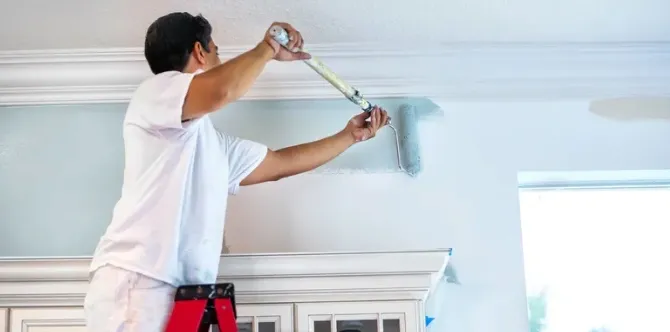
We paint interiors and exteriors — full rooms, accent walls, ceilings, trim, cabinets, and the outside of your home. We use quality paints and the right tools for each surface, and we clean up completely when we're done.
Scope of Work
What We Paint
- Interior painting
- Exterior painting
- House painting
- Interior house painting
- Exterior house painting
- Room painting
- Wall painting
- Ceiling painting
- Trim painting
- Door painting
- Cabinet painting
- Garage painting
- Fence painting
- Siding painting
- Stucco painting
- Peeling paint repair
- Paint after drywall repair
- Touch-up painting
- Color change painting
- Home painting before selling
- Move-in painting
- Repainting walls
- Whole-home painting
- Residential painting
Let's Talk About Your Project?
The JKV Difference
Why Homeowners in Salt Lake County Choose JKV
Prep Is Everything
We patch, sand, caulk, and prime before a drop of finish coat goes on. That's why our paint jobs look sharp and don't peel.
Clean Lines, No Bleed
Javier tapes carefully and cuts in by hand where needed. You get crisp edges between wall and trim, ceiling and wall — not a blurry mess.
We Clean Up Completely
No paint on your floors, no tape left on the trim, no drop cloths abandoned in the corner. We leave the space ready to use.
Frequently Asked Questions
Paint Questions Homeowners Often Ask
Whether you're freshening up a single room, repainting your home's exterior, or trying to understand why paint failed in the first place, it's natural to have questions before getting started. These answers are here to help you feel more informed and confident before your project begins.
How do I know if my home needs to be painted or if it can simply be touched up?
That's one of the first questions many homeowners ask, and the answer depends on what's causing the paint to look worn.
Sometimes a room simply needs a few small touch-ups after everyday life has left its mark. Other times, fading, peeling, stains, moisture damage, repairs, or years of wear make repainting the better long-term solution. On the exterior, peeling paint, exposed wood, or failing caulk often indicate it's time to do more than simply freshen things up.
One thing we've learned is that paint isn't just about color—it's also part of what protects your home. Waiting too long, especially outside, can allow moisture and weather to begin affecting the materials underneath.
That's one reason we believe every painting project should begin by understanding the condition of the surface before deciding what it needs. Sometimes a simple refresh is enough. Other times it's an opportunity to protect your home for years to come.
Good paint should do more than make your home look better—it should help protect it, too.
JKV Tip: If you're unsure whether your home needs repainting, look at areas that receive the most sunlight and weather first. Those surfaces usually show wear before the rest of the house.
How should I prepare my home before painting begins?
Preparing the work area ahead of time helps protect your belongings and allows work to begin right away.
Before we arrive, it's important to remove pictures, wall décor, fragile items, furniture (when practical), electronics, curtains, and personal belongings from the immediate work area. Smaller furniture should be moved away from the walls, and valuable or sentimental items should always be removed beforehand. For exterior painting, outdoor furniture, decorations, vehicles, grills, and anything near the work area should also be moved before the project begins.
We know preparing your home takes a little time, but having the space ready allows us to focus on painting instead of moving personal belongings or worrying about accidentally damaging something that could have been removed beforehand.
That's one reason we believe preparation is part of every successful painting project. A little planning beforehand helps everything move more smoothly.
Preparing the space ahead of time helps protect the things you care about and allows us to focus on delivering a beautiful finished result.
JKV Tip: If there's a room you use every day, let us know during your estimate. We can often discuss the best order for completing the work to minimize disruption.
Do you really need primer before painting?
This is probably one of the most common painting questions—and the answer is it depends on the surface.
For many interior repaint projects where the existing paint is in good condition, modern paints with built-in primer can perform very well. However, situations involving new drywall, drywall repairs, bare wood, stains, smoke damage, major color changes, or other challenging surfaces often benefit from a dedicated primer before the finish paint is applied.
Exterior painting is different. Your home's exterior faces sunlight, moisture, temperature changes, and weather every day. When bare wood or other exposed materials are present, or when paint has peeled or failed, using the proper exterior primer is often an important step in helping the finish coat adhere well and last longer. Skipping that preparation simply to save a step usually isn't the best long-term decision.
That's one reason we believe there isn't a one-size-fits-all answer. Our goal is to recommend the preparation that makes sense for your particular project—not automatically add steps that aren't needed or skip ones that are.
The best paint job doesn't begin with paint—it begins with the right surface preparation.
JKV Tip: If you're comparing estimates, ask whether primer is included, when it's recommended, and why. The answer often tells you a lot about how the contractor approaches preparation.
Why does paint sometimes peel, bubble, or fail?
Many homeowners assume the paint itself failed. Often, the real cause started long before the paint was applied.
Moisture, dirt, failing caulk, poor surface preparation, painting over loose paint, skipping needed primer, or applying paint under unsuitable weather conditions can all affect how well paint performs over time. Sometimes the problem isn't visible until months or even years later.
One thing we've learned is that painting is often won or lost during preparation. Cleaning, sanding, repairing damaged areas, and making sure the surface is ready usually has a much bigger impact on the finished project than simply choosing an expensive paint.
That's one reason we believe some of the most important work happens before the first coat of paint is ever opened. Taking the time to prepare the surface properly helps the finished paint perform the way it was designed to.
Paint is only as good as the surface it's asked to stick to.
JKV Tip: If you notice peeling paint, don't just look at the paint itself. Take a moment to look for moisture, failed caulking, or other conditions that may have caused it in the first place.
Should I paint my home before replacing flooring, trim, or cabinets?
This is a great question because the order of a project can make a big difference in both the finished result and the overall cost.
In many cases, painting is easier and more efficient before new flooring is installed because it removes the worry of paint drips or accidental damage to brand-new floors. Likewise, if you're replacing baseboards, crown molding, doors, or trim, those projects often happen before the final painting so everything can be caulked, filled, and painted together for a seamless finish.
One thing we've learned is that homeowners often think of painting as a completely separate project. In reality, it usually works best when it's coordinated with the other improvements happening in the home.
That's one reason we believe it's worth looking at the entire project before deciding where to begin. A little planning often saves time, protects new materials, and creates a cleaner finished appearance.
Sometimes the best painting decision is deciding when to paint—not just what color to choose.
JKV Tip: If you're planning several home improvements over the next year, mention them during your estimate. Coordinating projects often leads to a smoother process and a better overall result.
How long does a typical painting project take?
One of the biggest questions homeowners have isn't actually about the painting—it's about how long their home will feel disrupted.
The answer depends on the size of the project, the amount of preparation needed, drying times between coats, repairs that need to be completed beforehand, and whether we're painting the interior or exterior. A single room may move quickly, while painting an entire home naturally takes more time because every surface deserves the same attention to preparation and finish.
One thing we've learned is that homeowners usually care less about the exact number of hours and more about knowing what to expect each day. Understanding the sequence of work often makes the project feel much less stressful.
That's one reason we believe communication begins before the first brush or roller ever touches the wall. Talking through the schedule, what happens first, and what each stage looks like helps everyone feel more prepared.
A clear expectation is often just as valuable as a fast timeline.
JKV Tip: If you're planning around moving day, family visiting, holidays, or other contractors, let us know early. Building those dates into the schedule is much easier before work begins.
What usually surprises homeowners during a painting project?
Probably how much of the work happens before the painting itself.
Many homeowners picture brushes and rollers immediately going to work. In reality, a quality paint job often begins with protecting floors, covering furniture, removing outlet covers, filling nail holes, repairing drywall imperfections, sanding rough areas, caulking gaps, cleaning surfaces, and making sure everything is ready before the first coat is applied.
Another surprise is how much lighting affects paint colors. A color that looked perfect on a small sample card can appear completely different once it's on an entire wall and natural sunlight changes throughout the day.
That's one reason we believe preparation and planning deserve just as much attention as the painting itself. Those steps may not be the most exciting part of the project, but they're often what separates a paint job that simply looks new from one that continues looking great years later.
Beautiful paint is usually the result of careful preparation—not just careful painting.
JKV Tip: Before choosing a color, look at a sample on the actual wall at different times of the day. Morning, afternoon, and evening light can completely change how a color feels.
Should I buy expensive paint?
This is one of those questions where the answer isn't simply "yes" or "no."
Higher-quality paint often provides better coverage, durability, washability, and color retention than economy products. That doesn't necessarily mean the most expensive paint on the shelf is always the right choice, though. The best product depends on where it's being used, how the room is used, and what you're hoping the finished paint will accomplish.
One thing we've learned is that homeowners sometimes spend weeks choosing the perfect color but only a few minutes thinking about the quality of the product itself. Since the workmanship and skill involved are usually the largest investment in a painting project, using a product that's appropriate for the space often provides better long-term value than simply choosing the lowest-priced option.
That's one reason we believe paint should be selected for how it performs—not simply for the name on the can or the price tag.
The cost of paint is temporary. Living with the results happens every day.
JKV Tip: If you have children, pets, or high-traffic areas, ask about paints designed to be cleaned more easily. Choosing the right finish for the room can make everyday maintenance much simpler.
How often should the interior or exterior of my home be repainted?
This is one of those questions where there isn't one answer that fits every home.
Interior paint can last for many years, depending on how the room is used. Bedrooms and formal living spaces often stay looking fresh much longer than kitchens, bathrooms, hallways, children's rooms, or other high-traffic areas. Exterior paint is affected by sunlight, rain, snow, temperature changes, and the direction your home faces, so some areas naturally weather faster than others.
One thing we've learned is that repainting shouldn't be based only on age. The condition of the paint tells a much better story than the calendar. Fading, peeling, chalking, cracking, or areas where moisture is affecting the surface are all signs that it's time to start thinking about repainting.
That's one reason we encourage homeowners to look at how their paint is performing rather than simply asking how old it is. Paint is there to protect your home as much as it is to improve its appearance.
The best time to repaint is before small problems become expensive ones.
JKV Tip: Walk around the outside of your home once or twice a year. Catching peeling caulk or failing paint early is usually much easier than repairing the damage that can happen if it's ignored.
Can you paint over wallpaper, stained walls, or damaged surfaces?
Sometimes—but those situations usually require a little more preparation first.
Wallpaper often needs to be removed properly before painting, and stained, damaged, or repaired surfaces frequently need additional preparation so those imperfections don't show through the finished paint. Simply painting over problem areas rarely makes them disappear and can sometimes make them even more noticeable.
One thing that surprises homeowners is how much the finished paint reflects what's underneath it. Paint isn't designed to hide damaged surfaces—it highlights them if they haven't been prepared correctly.
That's one reason we believe every painting project should begin by evaluating the condition of the existing surface before deciding how to move forward. Good preparation creates a smoother finish and helps the paint perform the way it's intended.
Paint covers color—it doesn't automatically hide problems.
JKV Tip: If you have water stains, smoke stains, wallpaper, or damaged drywall, mention it during your estimate. Knowing those conditions ahead of time helps us recommend the right preparation from the beginning.
What should I do after my painting project is finished?
The good news is that quality paint doesn't require a lot of maintenance—but a little care goes a long way.
Fresh paint continues curing after it feels dry to the touch, so it's a good idea to avoid scrubbing walls or hanging pictures immediately unless the manufacturer's recommendations say otherwise. Once the paint has fully cured, routine cleaning with gentle products and taking care of small scuffs before they become larger issues can help keep it looking its best.
Outside, periodically checking caulking, touching up small chips when needed, and watching for areas where weather begins affecting the paint can help extend the life of your home's exterior.
That's one reason we believe a painting project doesn't end when the brushes are cleaned. Helping homeowners understand how to protect their investment is simply part of doing the job well.
A little maintenance today often means waiting years longer before repainting again.
JKV Tip: Save the leftover paint, clearly label the room or area it was used in, and store it in a temperature-controlled space. Having the original paint makes future touch-ups much easier.
How do I know if my painting project is a good fit for JKV?
That's a question we genuinely appreciate because every homeowner has different goals.
Some people simply want to freshen up a room before selling their home. Others are finishing a remodeling project, updating outdated colors, repairing damage, or protecting the exterior from years of weather. Whatever the reason, every project begins with understanding what you're hoping to accomplish—not just what color you're planning to use.
One thing we've learned after working in so many homes is that painting is rarely just about paint. It's often the final step that brings an entire room together or gives homeowners the feeling that their house finally feels like home again.
That's one reason we believe our job starts with listening, not selling. We want to understand your goals, explain your options, answer your questions honestly, and help you make decisions you'll still be happy with years from now.
Great painting doesn't simply change the color of your walls—it changes the way your home feels every time you walk through the door.
JKV Tip: Before your estimate, make a list of the rooms or areas that bother you the most. Sometimes updating just a few key spaces creates a bigger impact than repainting the entire house.
Other Services You Might Need
Serving homeowners throughout Salt Lake County and the Wasatch Front
Ready to Get This Done?
Call or text us for a free consultation. We show up, we finish the job, and we treat your home like it's ours.