
Licensed & Insured
Siding, Fencing & Exterior Work — Salt Lake County, UT
Protect Your Home From the Outside In
Damaged siding, failing fences, deteriorating exteriors — we fix what's exposed before it becomes a bigger problem inside.
Your Exterior Is Your Home's First Line of Defense
Siding isn't just cosmetic. When it's cracked, rotted, or missing, water gets in — and water damage is expensive. A fence that's leaning or rotting at the posts isn't just an eyesore; it's a liability. Clogged gutters and failing downspouts quietly push water where it doesn't belong. Exterior work that gets deferred becomes structural work later.
Javier's background in large construction projects — including structural and exterior work — means he understands how exterior systems work together. Proper flashing, correct overlap, sealed penetrations, clear gutter drainage — the details that keep water out and your home protected.
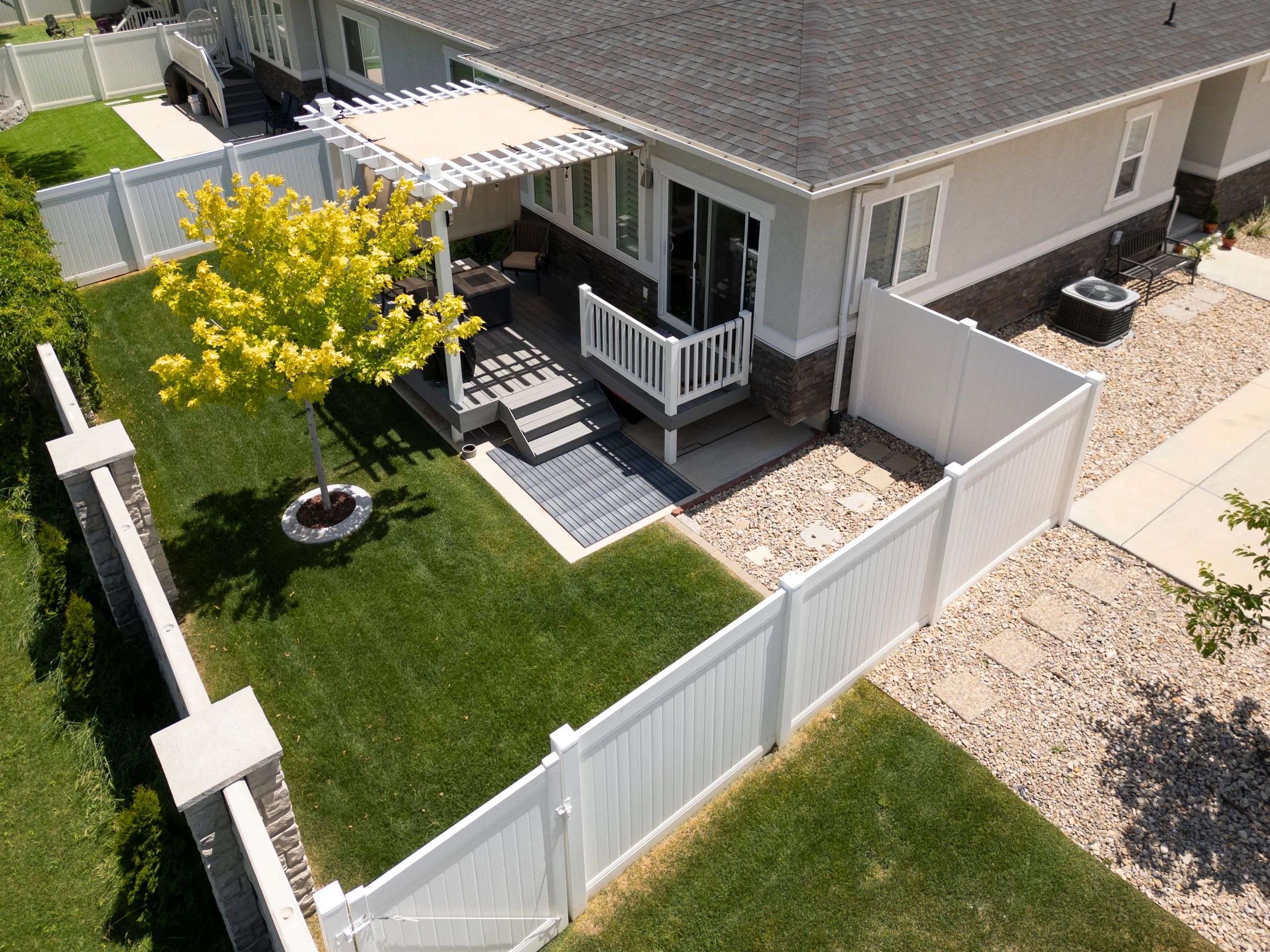
We handle siding repair and replacement, fence installation and repair, gutter cleaning and gutter repair, downspout repair, exterior trim work, and pressure washing — plus general exterior repairs that keep your home looking good and performing the way it should.
Scope of Work
What We Handle on the Exterior
- Siding repair
- Siding replacement
- Vinyl siding repair
- Fiber cement siding repair
- Wood siding repair
- Damaged siding
- Loose siding
- Exterior trim repair
- Fascia board repair
- Soffit repair
- Fence repair
- Fence installation
- Wood fence repair
- Vinyl fence repair
- Fence gate repair
- Gate adjustments
- Broken fence posts
- Fence post replacement
- Privacy fence repairs
- Rotten wood replacement
- Exterior wood repairs
- Weather-damaged exteriors
- Storm damage repairs
- Exterior home repairs
Let's Talk About Your Project?
The JKV Difference
Why Homeowners in Salt Lake County Choose JKV
Structural Background
Javier's commercial construction experience means he understands how exterior systems are supposed to work — and what happens when they don't.
Water Management First
We don't just replace damaged siding. We find out why it failed, address the underlying issue, and install the replacement correctly so it doesn't happen again.
Curb Appeal That Lasts
We use quality materials and proper installation techniques so your exterior looks great and holds up through Utah's freeze-thaw cycles.
Frequently Asked Questions
Siding, Fencing & Exterior Questions Homeowners Often Ask
Remodeling part of your home can bring up a lot of questions. These answers are here to help you understand your options, plan with more confidence, and feel less overwhelmed before the work begins.
How do I know if my siding or fence needs to be repaired instead of replaced?
That's one of the most common questions homeowners ask, and the answer depends on what's causing the problem—not just how it looks.
A cracked siding panel, a loose fence post, damaged trim, or a section that's been affected by weather doesn't always mean everything needs to be replaced. Many exterior problems can be repaired if they're caught early. On the other hand, widespread rot, repeated moisture damage, structural movement, or materials that have reached the end of their life may make replacement the better long-term investment.
One thing we've learned is that homeowners often assume the most expensive solution is the only solution. Sometimes that's true—but many times a thoughtful repair restores both the appearance and function of the exterior without replacing more than necessary.
That's one reason we believe every project should begin with understanding the condition of the materials before recommending a solution. Our goal is to help you make the decision that's right for your home—not simply the biggest project.
A good repair solves the problem. A good replacement solves the reason the problem keeps coming back.
JKV Tip: If you notice loose boards, cracked siding, soft wood, leaning fence posts, or water stains around exterior trim, it's worth having them evaluated before small problems become much larger repairs.
How should I prepare before an exterior repair project begins?
Fortunately, there's usually very little you need to do.
Moving patio furniture, grills, vehicles, decorations, or anything stored against the areas we'll be working on is often enough. If you have irrigation lines, outdoor lighting, invisible pet fences, or anything else we should be aware of, pointing those out before work begins is always appreciated.
One thing we've learned is that homeowners often wonder whether they need to prepare everything perfectly before we arrive. You don't. Part of our job is helping determine the safest and most efficient way to complete the work.
That's one reason we like walking the project with you before getting started. A short conversation often answers questions that neither of us knew to ask ahead of time.
Good preparation isn't about doing more work yourself—it's about helping everyone start on the same page.
JKV Tip: If there are gates that need to remain accessible for pets or family members during the project, let us know during your estimate so we can plan accordingly.
What causes siding, fences, and other exterior materials to wear out?
The biggest factor is usually time—but weather plays a close second.
Sunlight, rain, snow, sprinklers, freezing temperatures, changing seasons, and everyday expansion and contraction all slowly affect exterior materials. Wood absorbs and releases moisture, paint breaks down under UV exposure, fasteners loosen over time, and even quality materials eventually show their age.
One thing we've learned is that exterior damage usually develops gradually. A small crack, a loose board, or a little peeling paint often seems minor until water begins finding its way behind the surface where much bigger problems can develop.
That's one reason we believe routine inspections are just as valuable as routine maintenance. Catching small issues early often prevents much larger repairs later.
The outside of your home protects everything inside it—taking care of it protects your entire investment.
JKV Tip: Walk around your home once or twice a year and look for loose trim, cracked caulking, peeling paint, leaning fence posts, or siding that's pulling away. Those small changes are often the first signs that maintenance is needed.
Should I repair one damaged section or update everything at once?
It depends on the condition of the rest of the project.
Sometimes one fence panel, one section of siding, or a few pieces of exterior trim are the only areas that need attention. Other times, repairing one area simply reveals that surrounding materials have reached the same stage of wear and will likely need attention soon as well.
One thing we've learned is that homeowners appreciate understanding both options. Some prefer addressing only the immediate repair, while others choose to complete a larger section so everything ages consistently and reduces the likelihood of additional work in the near future.
That's one reason we believe homeowners should understand the advantages of each approach before making a decision. There isn't a one-size-fits-all answer—only the solution that makes the most sense for your home and your goals.
Sometimes the smartest repair is the smallest one. Other times it's the one that prevents you from doing the same project twice.
JKV Tip: If you're unsure which approach makes the most financial sense, ask us to explain both options. Seeing the pros and cons side by side often makes the decision much easier.
Can you match my existing siding, fence, or trim if only part of it needs to be repaired?
In many cases, yes—but it's important to have realistic expectations.
We'll always do our best to match the existing style, profile, and materials whenever possible. However, even when we use the exact same product, weather, sunlight, age, and fading can cause the original materials to look slightly different than brand-new replacements. That's completely normal and something we like homeowners to know before the work begins.
One thing we've learned is that homeowners usually appreciate knowing this upfront rather than wondering afterward why a perfect color match wasn't possible. Our goal is always to make repairs blend naturally while being honest about what new materials can and can't do.
That's one reason we believe setting realistic expectations is part of providing great craftsmanship. Good communication before the project often prevents disappointment after it's finished.
The best repair isn't always invisible—but it should always look like it belongs.
JKV Tip: If matching is especially important, let us know during your estimate. Sometimes replacing a slightly larger section creates a much more consistent finished appearance than repairing only the damaged area.
What usually surprises homeowners during exterior repairs?
Most homeowners are surprised by what they can't see until the damaged materials are removed.
Sometimes water has found its way behind siding. Fence posts may have begun deteriorating below ground where the damage isn't visible. Trim that looked fine from the outside may have hidden moisture damage underneath. Fortunately, that's exactly why repairs are valuable—they give us the opportunity to correct problems before they become much larger.
One thing we've learned is that surprises aren't necessarily bad news. They're often simply conditions that couldn't have been discovered until the work began. The important part is communicating what we find, explaining your options, and deciding together how to move forward.
That's one reason we believe homeowners should never feel caught off guard. If we uncover something unexpected, we'll explain what we found, why it matters, and what your options are before additional work is performed.
The goal isn't avoiding surprises—it's handling them honestly when they happen.
JKV Tip: Homes naturally settle and weather over time. Finding a hidden issue during a repair is often much less expensive than discovering it years later after it has caused additional damage.
How long should siding, fences, and other exterior materials last?
There's no single answer because every material—and every home—is different.
Wood, vinyl, fiber cement, composite materials, metal, and masonry all have different life expectancies. The amount of sunlight your home receives, how much moisture it's exposed to, sprinkler overspray, maintenance habits, and even the direction a wall faces can all affect how long exterior materials last.
One thing we've learned is that regular maintenance usually has a much bigger impact on longevity than homeowners expect. Replacing caulking, touching up paint, repairing loose boards, and addressing small issues early often helps exterior materials last for many more years.
That's one reason we encourage homeowners to think of exterior repairs as preventative maintenance rather than waiting until replacement becomes the only option.
Taking care of small problems today often adds years to the life of what's already there.
JKV Tip: A quick walk around your home's exterior every spring and fall can help you spot loose trim, cracked caulking, peeling paint, or damaged fence boards before they turn into larger repairs.
How can I improve my home's exterior without replacing everything?
You might be surprised how much difference targeted improvements can make.
Repairing damaged siding, replacing a worn gate, updating trim, straightening sections of fencing, replacing a few deteriorated boards, pressure washing exterior surfaces, repainting, or improving small details often gives a home a dramatically fresher appearance without the cost of a complete replacement.
One thing we've learned is that homeowners sometimes assume they need a major renovation when what they really need is thoughtful restoration. Addressing the areas that stand out the most often creates the biggest visual improvement for the investment.
That's one reason we like discussing your long-term goals before recommending solutions. Sometimes a well-planned series of smaller improvements makes more financial sense than tackling everything at once.
You don't always need a brand-new exterior—you just need the right improvements in the right places.
JKV Tip: If you're planning to repaint your home in the future, consider making siding and trim repairs beforehand. It's often easier and more cost-effective to repair first and paint once than to paint over materials that still need attention.
How can I make exterior improvements fit my budget?
You don't have to replace everything at once to make a noticeable difference.
Many homeowners assume exterior improvements have to be one large project, but that's rarely the case. Sometimes repairing damaged siding this year, replacing a worn gate next season, and refreshing exterior trim later creates the same long-term result while spreading the investment over time.
One thing we've learned is that homeowners appreciate having options. Understanding what needs immediate attention, what can safely wait, and what improvements will create the biggest impact helps you make decisions that fit both your home and your budget.
That's one reason we like talking through priorities before talking about pricing. Every homeowner's situation is different, and a thoughtful plan often provides more value than trying to do everything at once.
A well-planned project usually feels more manageable than one overwhelming project.
JKV Tip: If you're working within a specific budget, let us know during your estimate. We can often suggest a phased approach that addresses the most important items first while keeping future improvements in mind.
How can I help my siding and fence last longer?
The good news is that most exterior materials last longer with a little regular attention.
Keeping vegetation trimmed away from siding and fences, cleaning dirt and algae before they become heavy buildup, maintaining paint and stain, replacing worn caulking, and repairing small damage early all help extend the life of your home's exterior. Even something as simple as keeping sprinklers from constantly spraying wood fencing or siding can make a significant difference over time.
One thing we've learned is that exterior materials usually don't fail overnight. Most problems begin small and gradually worsen over several seasons before homeowners notice them.
That's one reason we encourage homeowners to think of exterior maintenance the same way they think about servicing a vehicle. A little preventative care often avoids much larger repairs later.
Small repairs are usually much less expensive than replacing materials that could have been protected.
JKV Tip: Walk around your home every spring and fall. Looking for loose boards, cracked caulking, peeling paint, leaning fence posts, or damaged siding only takes a few minutes and can help you catch problems before they become costly.
What should I look for after storms or severe weather?
After strong winds, heavy rain, or winter storms, it's worth taking a few minutes to walk around your property.
Look for loose or missing siding, damaged fence sections, leaning posts, fallen tree limbs, separated trim, exposed nails, cracked caulking, or anything that wasn't there before the storm. Water doesn't need a very large opening to begin causing problems, so even small changes are worth paying attention to.
One thing we've learned is that homeowners often focus on obvious damage while missing smaller issues that can become much larger over time. Catching those problems early often means simpler and less expensive repairs.
That's one reason we encourage homeowners to inspect the outside of their home after significant weather events. A short walk around the property can sometimes prevent months of hidden damage.
Weather is temporary—but the damage it leaves behind doesn't have to be.
JKV Tip: After a major storm, take a few photos of your home's exterior, even if everything looks fine. Having recent photos can be helpful if you discover damage later or need documentation for insurance.
How do I know if my exterior repair project is a good fit for JKV?
If you're looking for honest recommendations, quality craftsmanship, and clear communication, there's a good chance we're a great fit.
Some homeowners call because they have storm damage. Others want to repair aging siding, replace worn fencing, improve curb appeal, or simply take care of small exterior issues before they become larger ones. Whatever brings you to us, our goal is the same: understand the problem first, then recommend the solution that makes the most sense for your home.
One thing we've learned is that homeowners appreciate having someone explain why a repair is recommended—not just what should be done. We believe understanding your options leads to better decisions and better projects.
That's one reason we spend time listening before making recommendations. We want you to feel confident in the work you're choosing and comfortable asking questions along the way.
A well-informed homeowner almost always makes the best decisions for their home.
JKV Tip: Don't hesitate to ask us why we're recommending a particular repair or replacement. We believe you should understand the reasoning behind every recommendation before deciding how to move forward.
Other Services You Might Need
Serving homeowners throughout Salt Lake County and the Wasatch Front
Ready to Get This Done?
Call or text us for a free consultation. We show up, we finish the job, and we treat your home like it's ours.