
Licensed & Insured
Landscaping & Concrete Work — Salt Lake County, UT
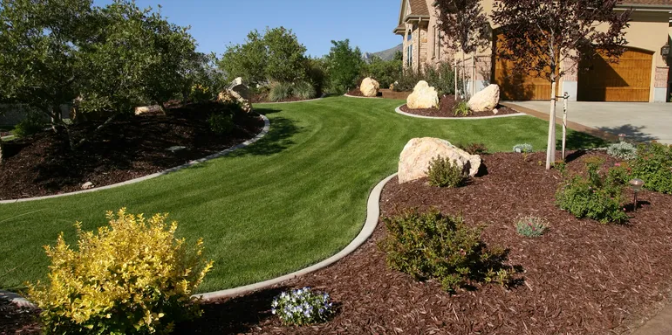
Curb Appeal That Makes Your Neighbors Look Twice
Cracked concrete, overgrown yards, bare dirt where there should be something beautiful — we fix the outside too.
First Impressions Start at the Curb
The outside of your home is the first thing anyone sees — and the last thing most homeowners get around to fixing. Cracked walkways, uneven concrete, overgrown landscaping, or just a yard that never quite came together. It's easy to let it slide.
Javier's background in commercial concrete work means he understands how to pour, finish, and cure concrete properly — not just slap it down and hope for the best. Combined with landscaping work that focuses on clean lines, proper drainage, and plants that actually thrive in Utah's climate, the result is an exterior that looks intentional.
Whether you need a new concrete walkway, a patio poured, retaining walls built, or just a yard that finally looks like someone lives there and cares — we handle it.
Scope of Work
What We Handle Outside
- Concrete patios
- Concrete sidewalks
- Concrete walkways
- Concrete repair
- Cracked concrete repair
- Concrete steps
- Concrete pads
- Driveway extensions
- Mailbox installation
- Fence post installation
- Landscape edging
- Landscape rock installation
- Mulch installation
- Planting bed borders
- Gravel pathways
- Drainage improvements
- Backyard improvements
- Front entry improvements
- Patio extensions
- Outdoor living improvements
- Exterior home improvements
- Curb appeal improvements
- Concrete demolition & replacement
- Small outdoor construction projects
Let's Talk About Your Project?
The JKV Difference
Why Homeowners in Salt Lake County Choose JKV
Commercial Concrete Experience
Javier worked on large commercial concrete projects before JKV. That means your patio or walkway is poured, finished, and cured the right way — not the fast way.
Utah Climate Knowledge
We know what holds up through Salt Lake winters and dry summers. We won't recommend plants or materials that look great in June and fail by October.
Clean, Finished Results
We don't leave a job half-done. Edges are clean, surfaces are finished, and the yard looks like a professional touched it — because one did.
Frequently Asked Questions
Landscaping & Concrete Questions Homeowners Often Ask
Whether you're repairing cracked concrete, planning a new patio, improving drainage, or transforming your yard, it's natural to have questions before getting started. From understanding what causes concrete to crack to knowing how to care for your project after it's finished, these answers are here to help you feel more informed and confident before your project begins.
How do I know whether my concrete can be repaired or needs to be replaced?
That's usually the first question homeowners ask after noticing cracks, uneven sections, or surface damage.
The answer depends on what's causing the problem. Some cracks are simply cosmetic and can often be repaired or sealed. Other situations—such as sinking concrete, significant movement, severe spalling, poor drainage, or widespread deterioration—may indicate that replacing the affected section is the better long-term solution.
One thing that surprises many homeowners is that the crack itself usually isn't the real problem. Concrete naturally develops small cracks over time. What matters is why the concrete moved in the first place. If the underlying issue isn't addressed, repairing the surface alone may only provide a temporary improvement.
That's one reason we believe every concrete project should begin by understanding what happened before deciding how to fix it. Our goal isn't simply to make concrete look better—it's to help it perform better for years to come.
Concrete doesn't usually fail overnight. It tells a story long before it becomes a problem.
JKV Tip: If you've noticed the crack getting wider, one side sitting higher than the other, or water collecting nearby, mention that during the estimate. Those details often help explain what's happening underneath the surface.
How should I prepare before landscaping or concrete work begins?
Preparing the work area ahead of time helps protect your property and allows the project to begin smoothly on the first day.
Before we arrive, it's important to remove patio furniture, planters, grills, decorations, garden hoses, toys, potted plants, vehicles, and other personal belongings from the work area whenever possible. If the project is near a garage, driveway, or gate, you'll also want to think about how you'll access those areas while work is underway.
We know moving everything isn't anyone's favorite part of a project, but having a clear work area allows us to focus on the work itself instead of spending valuable time moving around belongings or worrying about accidentally damaging something that could have been removed beforehand.
That's one reason we believe preparation is part of every successful project. A little planning before work begins usually makes the entire process smoother for everyone involved.
Preparing the space ahead of time helps protect the things you care about and allows us to focus on building something you'll enjoy for years to come.
JKV Tip: If your irrigation system, invisible pet fence, landscape lighting, or other underground utilities run through the work area, let us know before construction begins. That information can be extremely helpful during planning.
Why is preparing the ground so important before pouring concrete?
This is probably one of the most important questions a homeowner can ask—and one that isn't talked about nearly enough.
When people picture a concrete project, they naturally think about the concrete itself. In reality, the finished slab is only as good as the foundation underneath it. Soil preparation, grading, compaction, drainage, and proper base material all play a major role in how concrete performs over time.
If the ground underneath continues to settle or shift after the concrete is poured, the concrete simply moves with it. That's when homeowners may begin seeing uneven slabs, cracking, or other issues that are often blamed on the concrete when the real problem started below it.
Javier spent years leading concrete crews on large commercial projects where preparation was every bit as important as the concrete itself. Residential projects are obviously much different than airport runways, but one lesson has always carried over: good preparation is rarely noticed, but poor preparation usually is.
That's one reason we believe some of the most important work happens before the concrete truck ever arrives.
Concrete is easy to pour. Building a foundation that helps it last is where the real work begins.
JKV Tip: If you're comparing estimates, ask each contractor how they prepare the ground before pouring concrete. The answer often tells you much more than the price alone.
Why do sidewalks, patios, and driveways crack?
This is probably the most misunderstood part of concrete.
Many homeowners think that if concrete cracks, someone must have done something wrong. The truth is that concrete naturally shrinks as it cures, and because it's extremely strong in compression but weaker in tension, some cracking is actually expected over time.
The goal isn't to create concrete that never cracks. The goal is to help control where cracking occurs and minimize unnecessary movement through proper preparation, reinforcement when appropriate, drainage, thickness, and control joints.
One thing that surprises homeowners is that water is often a much bigger enemy than the concrete itself. Poor drainage can wash away supporting soil over time, leading to settlement and movement that eventually affects the slab above.
That's one reason we believe understanding how water moves around your property is just as important as deciding where the concrete will go.
Concrete doesn't mind getting wet. It minds what water can do underneath it.
JKV Tip: During your estimate, pay attention to where rainwater flows after a storm. That information can help identify drainage concerns before new concrete is poured.
How long should I expect a landscaping or concrete project to take?
One of the biggest questions homeowners have isn't actually about concrete or landscaping—it's about how long their yard will feel like a construction site.
The timeline depends on the size of the project, site preparation, weather conditions, access to the work area, and the type of work being completed. Some landscaping improvements can move quickly, while larger concrete projects often require preparation, forming, pouring, curing, and finishing before everything is truly complete.
One thing we've learned after working at people's homes is that homeowners usually aren't looking for an exact hour-by-hour schedule. They simply want to know what to expect so they can plan around family activities, pets, vehicles, deliveries, and everyday life.
That's one reason we believe communication begins before the first shovel goes into the ground. Walking through the sequence of the project and explaining what happens each day helps everyone feel more prepared and confident.
A clear expectation often makes a project feel smoother than simply promising a fast one.
JKV Tip: If you have vacations planned, family gatherings, parties, or other contractors scheduled, let us know during the estimate. Planning around those events is much easier before work begins than after it starts.
When is the best time of year for concrete or landscaping projects?
This is a great question because timing can have a bigger impact than many homeowners realize.
Many landscaping and concrete projects can be completed throughout much of the year, but weather, temperatures, moisture, and the specific type of work all influence the ideal schedule. Spring and fall are popular because temperatures are often moderate, while summer projects may require additional attention to curing conditions and watering.
Landscaping projects also benefit from thinking ahead. Planting seasons, irrigation adjustments, drainage improvements, and outdoor living spaces often work together better when they're planned as one project instead of several unrelated ones.
That's one reason we encourage homeowners to start planning before they're ready to begin construction. Having time to think through different options often leads to better decisions and a smoother overall project.
The best time to improve your property usually starts with planning—not pouring concrete.
JKV Tip: Even if you're hoping to build several months from now, scheduling an estimate early gives you more time to compare ideas, refine the design, and prepare for the project.
How do I choose a patio, walkway, or outdoor space that I'll still love years from now?
This is one of our favorite conversations because it's about much more than concrete.
It's easy to choose something because it's popular today, but outdoor spaces become part of your daily life for many years. The best designs usually consider how you actually use your yard. Do you entertain often? Do children need room to play? Will you be moving furniture across the patio? Is shade important? How does water drain through the property? Those questions often matter just as much as the color or shape of the finished project.
One thing we've noticed is that homeowners rarely regret spending time thinking through how they'll use the space. They sometimes regret rushing into a design that looked great in a picture but didn't fit the way they actually live.
That's one reason we believe good design begins with listening. Understanding how you want to enjoy your property helps create outdoor spaces that still make sense long after today's trends have changed.
The best outdoor spaces aren't built around today's style—they're built around the way your family lives.
JKV Tip: Before your estimate, spend a few minutes outside and imagine how you'd like to use the space a year from now. That vision often leads to better design decisions than simply choosing a shape or material.
What usually surprises homeowners during a landscaping or concrete project?
Probably how much of the project happens before the finished product begins to appear.
Many homeowners expect to see forms, concrete, pavers, or new landscaping right away. Instead, the first part of the project is often focused on excavation, grading, drainage, compacting the base, preparing forms, or making adjustments that won't be visible once everything is finished.
Another surprise is how many different parts of your property work together. A beautiful patio also needs proper drainage. A new walkway needs to meet existing elevations. Landscaping should complement—not interfere with—the finished concrete. Looking at the entire property instead of one individual feature often creates a much better long-term result.
That's one reason we believe some of the most important work happens before the finished product is ever visible. Homeowners may never see those steps again, but they're often what helps the project perform well for years to come.
The work you'll never see is often what determines how long you'll enjoy the work you do see.
JKV Tip: During your estimate, ask what preparation happens before construction begins. Understanding those steps often tells you more about the quality of the finished project than looking at the concrete itself.
How important is drainage when planning landscaping or concrete?
It's one of the most important parts of the project—even though it's usually the part homeowners never see.
Water has a tremendous impact on how outdoor spaces perform over time. If water isn't directed away from your home or allowed to drain properly, it can contribute to settling, erosion, standing water, damage to landscaping, and movement beneath concrete. A beautiful patio or walkway may look perfect on the day it's finished, but poor drainage can shorten its lifespan if it isn't considered during planning.
One thing that surprises many homeowners is that drainage isn't just about preventing puddles. It's about protecting everything underneath the surface that supports your landscaping and concrete for years to come.
That's one reason we believe every outdoor project should begin by understanding how water naturally moves across your property. Sometimes a small adjustment to grading today helps prevent much larger problems tomorrow.
Water almost always wins. Good planning simply gives it somewhere to go.
JKV Tip: The next time it rains, take a few minutes to watch where water collects and how it flows across your yard. That information can be incredibly valuable during your estimate.
Will new concrete stay the same color forever?
This is a question many homeowners don't think to ask until after their project is finished.
Fresh concrete naturally changes as it cures. Color variations during the curing process are normal, and over time sunlight, weather, moisture, and everyday use will continue to affect its appearance. Even two sections poured on different days may develop slightly different shades as they age.
One thing we've learned is that homeowners often expect concrete to behave like tile or manufactured flooring, where every piece looks identical. Concrete is different because it's a natural product, and part of its character comes from those subtle variations over time.
That's one reason we encourage homeowners to think about long-term performance instead of chasing absolute perfection on the day it's poured. Concrete is designed to serve your home for many years, and its appearance naturally evolves along the way.
Concrete is a natural material. Small changes over time are part of what makes every project unique.
JKV Tip: If maintaining a more consistent appearance is important to you, ask about cleaning and sealing options that can help protect the surface over time.
How can I help my new concrete or landscaping last longer?
One of the best things about a quality project is that a little routine care can make a big difference over the years.
Keeping drainage areas clear, avoiding unnecessary heavy loads on newly poured concrete, caring for irrigation systems, sealing concrete when appropriate, trimming landscaping before it begins affecting walkways or patios, and addressing small issues early all help protect your investment.
Many homeowners are surprised to learn that the first few weeks after concrete is poured are especially important. While concrete begins hardening quickly, it continues gaining strength over time. Giving it the opportunity to cure properly helps it perform the way it was designed to.
That's one reason we believe our job doesn't end when construction is finished. Helping homeowners understand how to care for their new project is simply part of helping it last.
A well-built project deserves good maintenance—not because it's fragile, but because it's worth protecting.
JKV Tip: Before using de-icing products during the first winter, ask whether they're recommended for your particular concrete. Some products are much gentler on concrete than others.
How do I know if my landscaping or concrete project is a good fit for JKV?
That's a question we genuinely appreciate because no two properties—and no two homeowners—have the same goals.
Some people want a safer walkway, a new driveway, or a patio where family can gather. Others are solving drainage problems, improving curb appeal, replacing aging concrete, or creating an outdoor space they've been dreaming about for years. Every project begins with a different reason.
One thing we've learned after working with homeowners is that the best conversations usually begin with listening. Before talking about concrete, pavers, plants, or materials, we want to understand how you use your property today and how you'd like to use it in the future. Those conversations often shape the project far more than choosing a finish or color.
That's one reason we believe our job starts with listening, not selling. We want homeowners to understand their options, know why we're making certain recommendations, and feel comfortable asking questions before making decisions. Whether it's a simple repair or a complete outdoor transformation, our goal is to make the process feel honest, straightforward, and enjoyable.
The best outdoor spaces aren't measured by the amount of concrete or landscaping they contain—they're measured by how much they improve the way you enjoy coming home.
JKV Tip: Before your estimate, spend a few minutes walking around your yard and think about what frustrates you most today. Solving those everyday frustrations often creates the biggest improvement in how you enjoy your home.
Other Services You Might Need
Serving homeowners throughout Salt Lake County and the Wasatch Front
Ready to Get This Done?
Call or text us for a free consultation. We show up, we finish the job, and we treat your home like it's ours.