
Licensed & Insured
Decks, Stairs & Patio Construction — Salt Lake County, UT
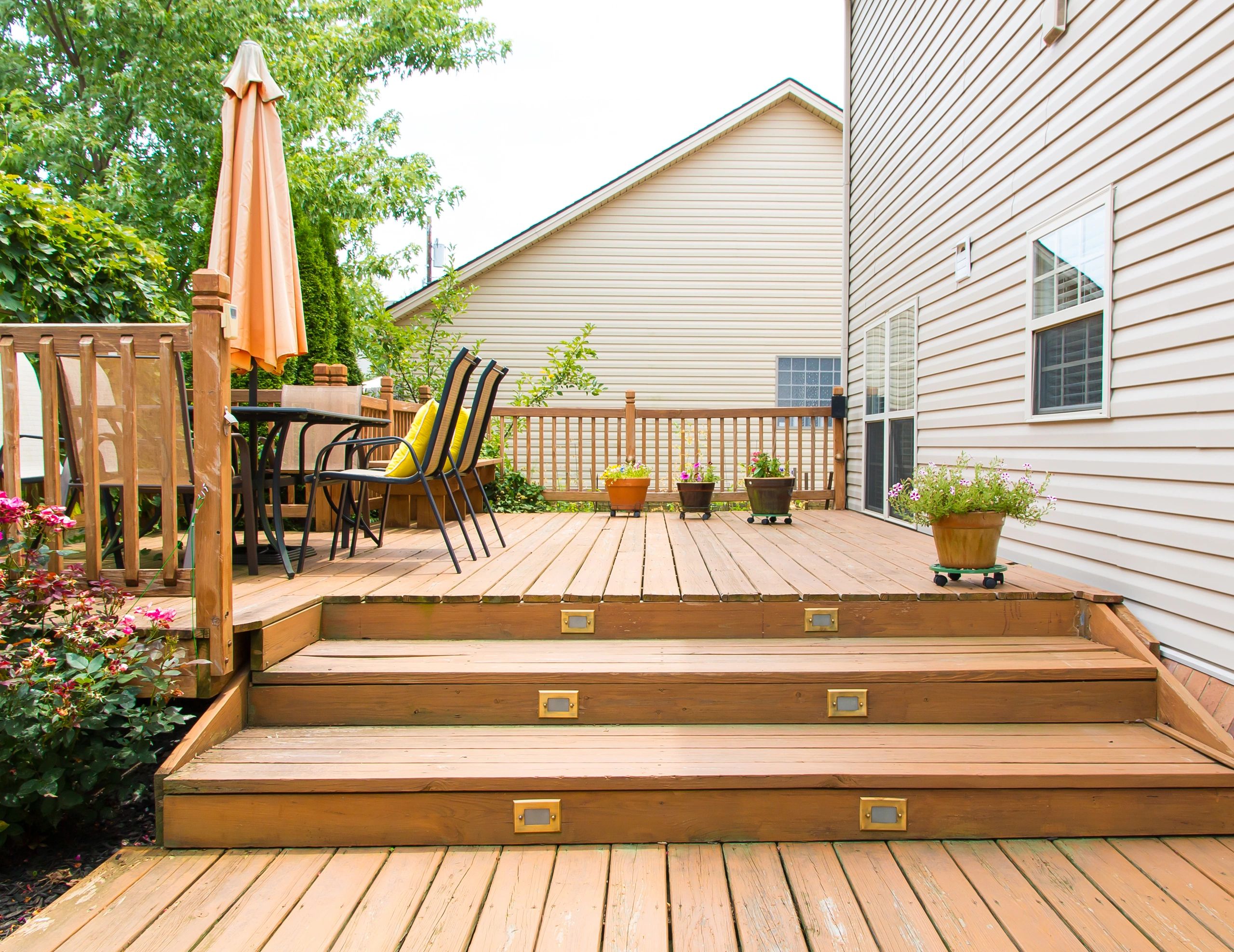
Outdoor Spaces Built to Last — and Look Great Doing It
A deck that wobbles, stairs that creak, a patio that's crumbling — you deserve better. JKV builds it right the first time.
Your Backyard Should Be an Asset, Not an Eyesore
A well-built deck or patio adds real value to your home and gives your family a space you'll actually use. A poorly built one? It's a liability — structurally and financially.
Javier has hands-on experience with framing, concrete, and structural work from large commercial projects. That background means your deck isn't just pretty — it's built on a solid foundation with the right materials, the right fasteners, and the right technique.
Whether you need a brand-new deck built from scratch, a rotting one repaired, concrete steps replaced, or a patio poured and finished, we handle it with the same attention to detail we bring to every job.
Scope of Work
What We Build & Repair
- Deck building
- Deck construction
- Deck replacement
- Deck repair
- Composite decking
- Wood decking
- Deck resurfacing
- Deck stairs
- Stair repair
- Porch stairs
- Handrail installation
- Deck railing replacement
- Patio installation
- Concrete patios
- Paver patios
- Patio extensions
- Pergola installation
- Privacy screens
- Built-in deck seating
- Backyard living spaces
- Outdoor entertaining areas
- Rotten deck board replacement
- Loose or unsafe stairs
- Deck & patio upgrades
Let's Talk About Your Project?
The JKV Difference
Why Homeowners in Salt Lake County Choose JKV
Structural Know-How
Javier's background in commercial concrete and framing means your outdoor structure is built to code and built to last — not just built to look good in photos.
Clear Communication
No guessing. No disappearing acts. No wondering if your contractor is actually coming. We confirm schedules, provide updates, and send a text when we're on our way so you're never left in the dark.
Honest Scope & Pricing
We tell you what the job actually costs before we start. No lowball bids followed by change orders that double the price.
Frequently Asked Questions
Deck, Stair & Patio Questions Homeowners Often Ask
Outdoor projects often raise questions about repairs, maintenance, materials, timelines, and what to expect. These answers are here to help you understand your options, feel more confident, and make informed decisions before your project begins.
How do I know if my deck, stairs, or patio needs more than just cosmetic repairs?
Many homeowners first notice something small—a loose board, a railing that moves a little, cracked concrete, a step that squeaks, or wood that's beginning to weather. It's natural to hope it's just a simple repair, but it's also reasonable to wonder whether it's pointing to something bigger.
One thing that often surprises homeowners is that outdoor spaces age differently than the rest of the home. Year after year, they're exposed to sunlight, rain, snow, temperature changes, and daily use. Because of that, a small visible issue doesn't always tell the whole story. Sometimes it's simply normal wear. Other times, it's worth looking at the surrounding area to understand whether other parts of the deck, stairs, or patio have aged in similar ways.
Rather than focusing on one loose board or one cracked step, it often helps to look at the outdoor space as a whole. Understanding the overall condition makes it much easier to decide whether a simple repair, a partial renovation, or a larger update makes the most sense.
That's one reason we believe understanding the entire project before making recommendations usually leads to better long-term decisions. Every outdoor space has its own history, and taking time to understand it helps homeowners make informed choices instead of rushed ones.
Small problems don't always require big projects—but they do deserve thoughtful attention before they become bigger frustrations.
JKV Tip: If you notice one area that's becoming loose, worn, or damaged, take a few minutes to look at the surrounding boards, railings, steps, or concrete too. Small patterns often tell a much bigger story.
Should I repair my existing deck or replace it?
One of the most common questions homeowners ask is whether repairing the existing deck makes more sense than replacing it. That's completely understandable because most people want to invest wisely, not spend money replacing something that still has years of life left.
The answer depends on the overall condition of the outdoor space rather than one individual problem. Sometimes replacing a few damaged deck boards, rebuilding a section of stairs, updating railings, or repairing a patio surface is all that's needed to restore both appearance and functionality. Other times, years of weather exposure, multiple repairs, or widespread deterioration may make a larger renovation the more practical long-term solution.
One thing that's easy to overlook is how the different parts of an outdoor structure work together. Repairing one area may make perfect sense when the surrounding materials are still in good condition. Looking at the project as a whole often helps homeowners understand where investing in repairs makes sense and where replacement may provide better long-term value.
That's one reason we think it's important to explain the different options instead of assuming there's only one solution. Helping homeowners understand the advantages of each approach allows them to choose what best fits their home, their plans, and their budget.
The right answer isn't always repairing everything—or replacing everything. It's understanding which solution makes the most sense for your home.
JKV Tip: Before deciding between repair and replacement, think about how you use the space today and how you hope to use it in the future. Your long-term plans are just as important as today's repair.
How should I prepare my deck, patio, or outdoor space before construction begins?
Many homeowners ask what they should do before work begins because they want the project to start smoothly and help protect their property. A little preparation ahead of time usually makes the entire experience easier for everyone.
Before construction begins, the work area should be completely cleared of patio furniture, grills, planters, decorations, outdoor rugs, toys, umbrellas, potted plants, lighting, personal belongings, and any other items that could be affected by construction activity whenever possible. Items should be removed from the work area rather than moved to one side of the deck or patio, since the project often requires access throughout the space and materials, tools, and equipment need room to move safely.
Preparing the area ahead of time helps protect your belongings from accidental damage, weather exposure, dust, and normal construction activity while allowing work to begin immediately without unnecessary delays. If there are larger items that cannot be moved before the project begins, it's helpful to discuss those beforehand so everyone understands the best approach before construction starts.
That's one reason we like to talk through project preparation before the first day of work. Taking time to prepare the space helps create a safer, more organized project while allowing us to focus on building or repairing your outdoor space instead of working around avoidable obstacles.
Good preparation doesn't just make construction easier—it helps protect the things you've already invested in.
JKV Tip: If you're unsure whether something should be moved, it's usually best to remove it completely. A clear workspace is almost always the safest workspace for both your belongings and the construction process.
How long does a typical deck, stair, or patio project take?
One concern homeowners often share isn't simply how long construction will last—it's how long they'll be without the outdoor space they enjoy. Whether it's the front porch, backyard deck, entry stairs, or patio where family gathers, it's natural to wonder how daily routines will be affected.
Every outdoor project has its own timeline. The size of the project, the amount of repair or renovation involved, the materials being used, weather conditions, and the existing condition of the structure can all influence how long the work may take. Some repairs can be completed relatively quickly, while larger renovations naturally require additional time to complete carefully.
One thing that often surprises homeowners is that weather can become part of the construction schedule. Unlike many indoor projects, outdoor work sometimes depends on conditions that simply can't be controlled. Building a realistic schedule that allows for those possibilities often creates a much smoother experience than promising the shortest possible timeline.
That's one reason we believe clear communication begins long before construction starts. Helping homeowners understand the overall plan and what to expect along the way often creates more confidence than simply giving the fastest estimate.
A well-planned project isn't measured only by how quickly it's finished—it's measured by how confidently it's completed.
JKV Tip: If you're planning an outdoor gathering or event, let your contractor know early in the planning process. Building those dates into the schedule is often much easier than adjusting them later.
What's the best material for a deck or outdoor living space?
One question homeowners ask quite a bit is which decking material is "the best." It's an understandable question because there are more choices today than ever before, and each one promises different advantages.
The truth is that there isn't one material that's best for every home. Wood decks offer a classic, natural appearance that many homeowners love. Composite decking is popular because it generally requires less routine maintenance over time. Railings, stairs, and other outdoor finishes also come in a variety of materials, each with its own appearance, maintenance needs, and long-term characteristics.
One thing that often surprises homeowners is that choosing materials isn't just about how they'll look on installation day. It's also about how they'll fit your lifestyle years from now. Some homeowners enjoy maintaining natural wood, while others would rather spend their weekends relaxing than staining a deck every few years.
That's one reason we believe material selection should start with how you plan to use the space, not simply what's popular at the moment. Helping homeowners understand the advantages of different materials allows them to make choices that fit both their home and the way they want to enjoy it.
The best material isn't the one everyone else chooses—it's the one that continues to work well for the way you live.
JKV Tip: Before choosing a decking material, think about how much ongoing maintenance you're realistically willing to do over the next ten years—not just how the deck will look the day it's finished.
Can you repair just part of my deck, stairs, or patio?
Many homeowners wonder whether they have to replace everything or if they can simply repair the part that's causing problems. That's a practical question, especially when much of the outdoor space still appears to be in good condition.
In many cases, targeted repairs are a great solution. A few damaged deck boards, loose railings, worn stairs, cracked concrete, or isolated areas of damage may be repaired without rebuilding the entire structure. The key is understanding how that repair fits into the overall condition of the surrounding materials.
One thing that's easy to overlook is that outdoor spaces age together. If one area has experienced years of weather exposure, nearby materials may have experienced similar wear even if the damage isn't immediately obvious. Looking at the entire space often provides a clearer picture than focusing on one isolated repair.
That's one reason we like to evaluate the overall condition instead of concentrating on just the visible problem. Helping homeowners understand the bigger picture often leads to repairs that continue performing well long after the project is complete.
Sometimes a small repair is exactly the right solution. The important part is understanding how that repair fits into the life of the entire outdoor space.
JKV Tip: If you're considering repairing only one section, walk through the entire deck or patio beforehand. Looking at the whole space often helps you spot other areas that may deserve attention while the project is already underway.
What usually surprises homeowners during an outdoor renovation?
Many homeowners expect construction to involve noise, tools, and materials. What often surprises them is how many little details come together behind the scenes to create a finished outdoor space that feels natural and inviting.
Outdoor projects are different from indoor remodeling because weather becomes part of the process. Temperature, rain, sunlight, moisture, and seasonal conditions can all influence scheduling and the pace of construction. Existing decks, patios, and stairs also have their own history, and once work begins it's not unusual to discover small conditions that couldn't be seen beforehand.
Another thing that surprises homeowners is how much the finishing details affect the final appearance. Straight lines, consistent spacing, smooth transitions, thoughtful layout, and careful finishing often become the details people notice most once the project is complete—even if they didn't think about them before construction began.
That's one reason we believe helping homeowners understand the process is just as important as building the finished project. Knowing what to expect along the way usually makes the experience feel much more comfortable from beginning to end.
The finished project is built one thoughtful step at a time—even if not every step is immediately visible.
JKV Tip: Outdoor construction sometimes looks its busiest in the middle of the project. That usually means the work is progressing—not that it's falling behind.
How can I make my outdoor project fit my budget without sacrificing quality?
Many homeowners want to improve their outdoor space without feeling like they have to rebuild everything at once. That's a very common conversation, and it's one of the reasons thoughtful planning is so valuable.
One thing that often surprises homeowners is that the biggest improvements don't always come from the biggest budgets. Repairing worn stairs, improving railings, replacing damaged decking, updating a patio surface, or improving how the space functions can often make a dramatic difference without completely starting over.
Thinking about how you actually use the space every day usually makes budget decisions much easier. A deck that's used for family dinners may have different priorities than one that's primarily used for entertaining larger groups. Every homeowner values different features, and those priorities should help guide where the investment goes.
That's one reason we believe understanding your goals should come before choosing materials or deciding how much to spend. Helping homeowners identify what matters most often leads to projects that provide more enjoyment without spending money on features they don't really need.
A successful project isn't measured by how much you spend—it's measured by how much better the space works for the people who use it.
JKV Tip: Before deciding where to invest your budget, ask yourself one simple question: "What part of this outdoor space frustrates me the most?" Solving that problem first often creates the biggest improvement.
How do I choose a deck or patio design that I'll still love years from now?
Many homeowners tell us they're excited about updating their outdoor space, but they're also worried about making choices that may feel dated a few years from now. That's a reasonable concern because outdoor projects are meant to be enjoyed for many seasons.
One thing that often surprises homeowners is that timeless outdoor spaces usually aren't built around the newest trends. Instead, they're designed around how the family actually uses the space. A deck for quiet mornings with coffee will naturally look different from one designed for large family gatherings or summer barbecues. Understanding how you want to live in the space often leads to better design decisions than simply following what's popular.
It's also worth remembering that outdoor furniture, landscaping, lighting, and décor can change over time. Designing the deck, patio, or stairs with flexibility in mind often makes future updates easier without needing another major renovation.
That's one reason we believe outdoor spaces should be planned around the people using them rather than the latest design trend. Helping homeowners think beyond today's style often creates spaces they'll continue enjoying for many years.
The most successful outdoor spaces don't simply look beautiful—they continue fitting the way your family lives as life changes.
JKV Tip: Before choosing colors or materials, picture yourself using the space five years from now. If the design still feels comfortable, you're probably making a lasting choice.
Can my existing deck or patio be updated without starting over?
One question homeowners ask quite often is whether their existing outdoor space can be refreshed instead of completely rebuilt. That's understandable because many decks and patios still have plenty of life left—they just no longer fit the way the homeowner wants to use them.
Depending on the condition, many outdoor spaces can be updated with repairs, new decking, improved railings, rebuilt stairs, fresh surface materials, updated trim, or changes that improve both appearance and function without replacing everything. Sometimes small improvements make a surprisingly large difference in how the space feels.
One thing that often surprises homeowners is how much the finished result depends on thoughtful planning rather than simply replacing materials. Looking at how the different pieces work together often reveals opportunities to improve the overall space without beginning from scratch.
That's one reason we believe homeowners benefit from understanding all of their options before deciding how extensive a project needs to be. Sometimes a thoughtful refresh provides exactly the improvement they're looking for.
Not every outdoor project has to begin with demolition. Sometimes building on what's already working is the smartest investment.
JKV Tip: Before assuming everything needs to be replaced, think about what you actually want to improve. The answer may be much smaller than you first imagined.
How should I maintain my deck or patio after the project is finished?
Many homeowners ask what they can do after construction is complete to help their outdoor space continue looking its best. That's a great question because regular care often makes a noticeable difference over the years.
Maintenance depends on the materials used, but simple habits usually go a long way. Keeping debris from collecting between deck boards, sweeping away leaves, cleaning spills, trimming back plants that hold moisture, and watching for small repairs before they become larger ones can all help extend the life of an outdoor space. Different materials also have different maintenance needs, so understanding those expectations early can make long-term care much easier.
One thing that often surprises homeowners is that most maintenance doesn't require a major project. Small amounts of routine attention are often much easier—and less expensive—than waiting until visible wear has become more significant.
That's one reason we think it's important for homeowners to understand how to care for their investment after construction is complete. A little attention over time often helps outdoor spaces continue looking and performing their best for many years.
Taking care of an outdoor space doesn't usually require a lot of work—it simply requires a little consistency.
JKV Tip: Make a habit of walking around your deck or patio each spring and fall. Catching small issues early often prevents much larger repairs later.
How can I compare estimates for deck, stair, and patio projects?
Many homeowners tell us comparing estimates can be frustrating because every proposal seems to describe the work a little differently. One contractor may include details that another doesn't mention at all, making it difficult to know whether you're really comparing the same project.
One thing that's easy to overlook is that outdoor estimates may include very different scopes of work. Preparation, demolition, repairs, material handling, finish details, cleanup, railings, stairs, and other project components may all be described differently from one estimate to another. Looking only at the bottom-line price rarely tells the complete story.
Taking time to compare exactly what each estimate includes often gives homeowners much more confidence than simply choosing the lowest number. A clearly written scope of work helps everyone understand what is being built, repaired, or replaced before construction begins.
That's one reason we believe a clearly defined scope of work is just as important as the final price. Helping homeowners understand exactly what's included allows them to make informed decisions instead of trying to compare estimates that may represent very different projects.
The best estimate isn't necessarily the cheapest one—it's the one that helps you clearly understand exactly what you're investing in.
JKV Tip: Before comparing prices, compare the scope of work line by line. A detailed proposal often tells you far more than the final dollar amount.
Other Services You Might Need
Serving homeowners throughout Salt Lake County and the Wasatch Front
Ready to Get This Done?
Call or text us for a free consultation. We show up, we finish the job, and we treat your home like it's ours.