
Licensed & Insured
Door Installation, Baseboards & Trim — Salt Lake County, UT
The Details That Make Your Home Look Finished
Crooked doors, missing trim, gaps at the baseboard — small things that drive you crazy every day. We fix them right.
Finish Work That Actually Looks Finished
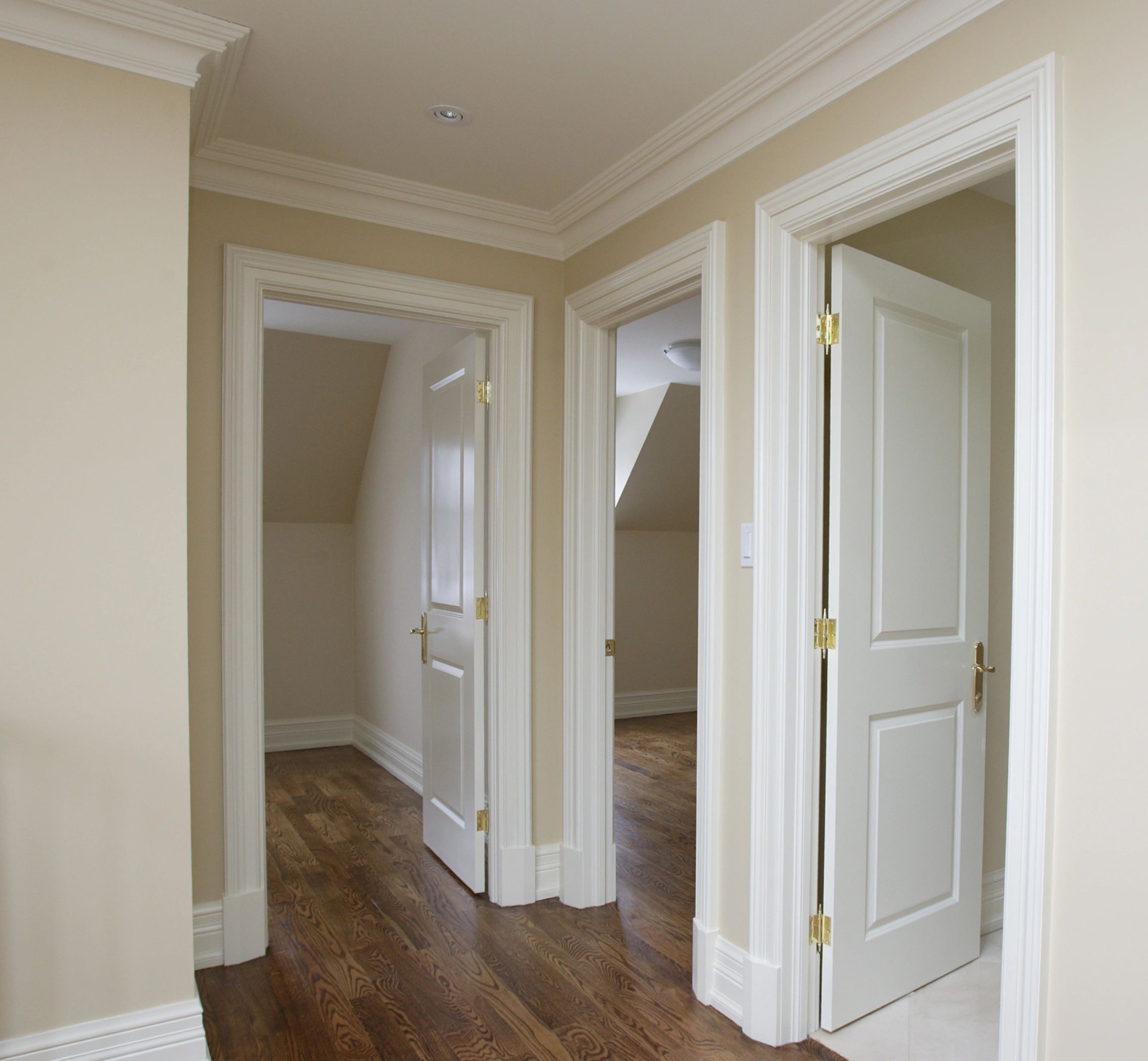
Trim and finish carpentry is where a lot of contractors cut corners — and it shows. Gaps at the corners, caulk lines that crack, doors that don't hang square. It's the kind of work that's easy to do badly and surprisingly hard to do well.
Javier takes finish work seriously. He's meticulous about cuts, fits, and caulk lines because he knows that's what you see every single day. Whether it's a single door that needs to be rehung or a whole-house trim package after a remodel, the standard is the same: it looks like it was always supposed to be there.
This is also the kind of work that gets overlooked when you're selling a house — and noticed immediately by buyers. Clean trim and properly hung doors signal that the whole house was taken care of.
Scope of Work
What We Install & Repair
- Interior door installation
- Interior door replacement
- Exterior door replacement
- Pre-hung door installation
- Door repair
- Door won't latch
- Sticking doors
- Door adjustments
- Door knob replacement
- Deadbolt installation
- Storm door installation
- Storm door closer replacement
- Baseboard installation
- Baseboard replacement
- Trim installation
- Trim repair
- Door casing installation
- Window trim installation
- Crown molding installation
- Shoe molding installation
- Quarter round installation
- Finish carpentry
- Rotten wood trim replacement
- Whole house trim upgrades
Let's Talk About Your Project?
The JKV Difference
Why Homeowners in Salt Lake County Choose JKV
Precision Cuts, Clean Corners
Javier measures twice and cuts once. Mitered corners are tight, caulk lines are clean, and nothing looks like an afterthought.
Doors That Actually Work
A door that sticks, swings open on its own, or doesn't latch is a daily frustration. We hang doors that operate perfectly — every time.
Whole-Home Consistency
Whether it's one room or the whole house, we match existing profiles and maintain a consistent look throughout.
Frequently Asked Questions
Door, Baseboard & Trim Questions Homeowners Often Ask
Doors, baseboards and trim may seem like small details, but they're some of the first things homeowners notice every day. Whether you're dealing with a door that won't close properly, damaged baseboards, outdated trim, or you're looking to add more character to your home, these answers will help you better understand your options and what to expect before getting started.
What does "trim" actually include?
One thing we've learned from talking with homeowners is that the word trim gets used a lot, but many people are not completely sure what it includes. That's understandable because trim is not one single item. It is the collection of finishing details that help a room feel complete.
Trim can include baseboards along the bottom of the walls, casing around doors and windows, crown molding where the wall meets the ceiling, chair rail, picture frame molding, board and batten, wainscoting, decorative wall molding, built-in shelving details, and other finish carpentry features. Some trim covers the small gaps where materials meet. Some trim protects edges. Some trim is purely decorative and adds character to the home.
One thing that often surprises homeowners is how much these details change the feeling of a room. New baseboards, cleaner door casing, or a decorative wall treatment can make a space feel more finished without changing the layout at all.
That's one reason we believe finish details should be talked through before decisions are made. Helping homeowners understand what trim can include makes it easier to decide whether they want a simple repair, a cleaner update, or a more decorative feature.
Trim is often the difference between a room that looks done and a room that feels finished.
JKV Tip: If you are not sure what style of trim you want, save photos of rooms that feel warm, clean, or finished to you. You do not need to know the trim names yet — the photos usually tell the story.
My door won't latch, sticks, swings open by itself, or rubs the floor. Can it be repaired?
A door that does not work correctly can be surprisingly frustrating because you use it every day. Many homeowners are not sure whether the problem is the door, the hinges, the frame, the latch, the floor, or the way the home has shifted over time.
In many cases, a door problem can be improved without replacing the entire door. A door that will not latch may need the hinges, strike plate, or hardware adjusted. A door that sticks may be rubbing against the frame or floor. A door that swings open or closed by itself may be sitting slightly out of alignment. If new flooring was installed, the bottom of the door may need to be carefully trimmed so it clears properly.
One thing that often surprises homeowners is that a small door issue can have several possible causes. The helpful first step is looking at how the door behaves instead of assuming the most expensive solution is the right one.
That's one reason we like to look at the whole opening — the door, frame, hinges, latch, casing, and surrounding floor — before deciding what makes sense. Understanding the cause usually leads to a better repair than simply forcing the door to work for a little while.
The right repair starts with understanding why the door is acting that way in the first place.
JKV Tip: Pay attention to when the problem happens. If a door sticks only during certain seasons, humidity or small changes in the home may be part of the conversation.
How should I prepare before door, baseboard, or trim work begins?
One thing homeowners often appreciate is knowing what needs to be ready before work begins. Trim and door work may seem small compared with a full remodel, but it still requires clear access to walls, doorways, floors, and work areas.
Before work begins, the work area should be completely cleared of furniture, decorations, electronics, artwork, rugs, valuables, personal belongings, and anything else that could be affected by construction activity whenever possible. Items should be removed from the room or work area, not moved into the corner or placed in the middle of the room. Door and trim work often follows walls, openings, and floors, so we may need access around the full area.
This helps protect your belongings from dust, scratches, accidental damage, and normal construction activity. It also allows work to begin right away without unnecessary delays or time spent trying to work around items that should have been moved beforehand.
That's one reason we believe preparation should be discussed before the first day of work. A clear workspace helps the project feel more organized, protects the home, and allows the focus to stay on the finished details.
Good preparation protects your belongings and helps the project start the right way.
JKV Tip: If something is fragile, valuable, difficult to replace, or simply important to you, remove it from the work area before the project begins. Covering it is not always enough.
Should I repair a door or replace it?
Many homeowners ask this because they do not want to replace something unnecessarily, but they also do not want to keep dealing with the same problem over and over. That is a very reasonable concern.
Repair may make sense when the door itself is still in good condition and the issue is related to hinges, hardware, latch alignment, rubbing, minor damage, or clearance. Replacement may be worth considering when the door is badly damaged, warped, outdated, hollow-core when you want something more solid, or no longer fits the look and function of the room.
One thing that is easy to overlook is that the door is only one part of the finished opening. The frame, casing, hinges, latch, flooring, and nearby trim all affect how the door looks and works. A new door will not feel right if the surrounding pieces are not considered too.
That's one reason we believe homeowners should understand the repair option before jumping to replacement. Sometimes a thoughtful adjustment solves the problem. Other times, replacing the door creates a cleaner, longer-lasting result.
The best answer is not always "repair" or "replace." It is understanding what problem you are actually trying to solve.
JKV Tip: Before deciding, ask yourself what bothers you most: how the door looks, how it sounds, how it closes, how solid it feels, or how it fits the room. The answer helps guide the right solution.
Can replacing baseboards and trim really make that much difference?
It absolutely can, and it's one of the most overlooked updates homeowners make.
Many people naturally focus on cabinets, countertops, flooring, or paint because those changes feel more obvious. What often surprises homeowners is how much the finishing details tie everything together. New baseboards, updated door casing, or decorative trim can completely change how polished and intentional a room feels.
In many homes, the trim has simply been there for years. Small dents, paint buildup, separated joints, outdated profiles, or mismatched repairs become something you stop noticing over time. Once those details are refreshed, many homeowners tell us the entire room suddenly feels cleaner and more complete — even though the layout never changed.
That's one reason we encourage homeowners to think about the room as a whole instead of focusing on one individual upgrade. Sometimes relatively small finish details have a much bigger visual impact than people expect.
A room doesn't always need to be remodeled to feel new. Sometimes it simply needs the finishing details to finally match the rest of the space.
JKV Tip: If you're already replacing flooring or repainting a room, it's often worth considering the trim at the same time. Those projects naturally complement one another.
Can you install doors, hardware, baseboards, or trim that I purchase myself?
Yes. Many homeowners already have materials they've selected or have found a style they love before reaching out to us.
If you're supplying materials yourself, one thing that's worth keeping in mind is that some products require very specific measurements or are available in several similar versions. A door, for example, isn't just a door. There are differences in height, width, thickness, swing direction, jamb size, handing, and hardware preparation. The same idea applies to trim profiles, baseboard heights, and moldings.
We've had conversations with homeowners who purchased beautiful materials only to discover they weren't quite the right fit for their project. That's one reason we like to answer questions before materials are purchased whenever possible. A short conversation beforehand can sometimes prevent unnecessary returns, delays, or frustration later.
The goal isn't simply installing materials — it's helping everything come together the way you expected.
JKV Tip: If you're planning to purchase your own materials, don't hesitate to ask questions before placing the order. A few minutes of planning can save hours of frustration later.
Can decorative trim be added without remodeling the entire room?
Absolutely.
Many homeowners assume decorative trim belongs only in brand-new homes or complete remodels, but that's not the case. Features like board and batten, picture-frame molding, chair rail, crown molding, wainscoting, decorative wall panels, and custom accent walls can often be added to an existing room without changing the room's layout.
One thing homeowners often tell us is that they want a room to feel more custom but aren't ready for a major renovation. Decorative trim can be a thoughtful way to add character while working with the room you already have.
That's one reason we believe it's helpful to understand all of your options before assuming a full remodel is necessary. Sometimes the right finish carpentry details provide exactly the transformation a homeowner was hoping for.
The character of a room often comes from its details, not its size.
JKV Tip: Save photos of rooms that catch your eye. Even if you don't know what the trim style is called, those examples make conversations much easier.
How long does a typical door or trim project take?
One of the biggest questions homeowners have isn't actually about the work itself — it's about how long their home will feel disrupted.
The answer depends on the size of the project. Replacing a single door or making a repair may take only a short visit, while installing new baseboards throughout an entire level of a home or completing decorative finish carpentry naturally takes longer. Painting, caulking, drying times, and other finishing steps can also affect the overall schedule.
One thing we've learned after working in people's homes is that homeowners usually care less about the exact number of hours and more about knowing what to expect. Understanding the sequence of work often makes the entire experience feel much less stressful.
That's one reason we believe communication begins before the first tool comes out. Talking through the expected process, timeline, and what each day may look like helps everyone feel more prepared.
A clear expectation is often just as valuable as a fast timeline.
JKV Tip: If there are dates that matter to you — guests visiting, holidays, new flooring being installed, or other contractors arriving — let us know early. Planning around those events is much easier before work begins than after it's underway.
Can damaged baseboards or trim be repaired instead of replaced?
Many homeowners assume that once trim is damaged, replacing it is the only option. In reality, the best solution depends on what's causing the damage and how extensive it is.
Small dents, nail holes, separated joints, minor water damage, or isolated sections of trim can often be repaired. In other situations — especially when the damage is widespread, multiple pieces no longer match, or the existing trim profile has been discontinued — replacement may provide a cleaner, more consistent result.
One thing that often surprises homeowners is that replacing one damaged section doesn't always blend seamlessly with the rest of the room. Differences in paint, age, wood grain, or trim profiles can sometimes make a repair more noticeable than expected.
That's one reason we like to look at the room as a whole before making a recommendation. Our goal isn't simply to fix one damaged piece — it's to help the finished room look intentional and complete.
The best repair isn't always the smallest repair. Sometimes it's the solution that makes the entire room feel finished again.
JKV Tip: If your trim has been painted several times over the years, mention that during the estimate. It can help determine whether repairing or replacing will produce the cleaner finished appearance.
How do I choose the right style of doors, baseboards, and trim?
With so many styles available today, it's easy to feel overwhelmed. Fortunately, you don't have to know the names of different trim profiles or molding styles before getting started.
Many homeowners begin by simply knowing how they want their home to feel. Some prefer clean, simple lines with a more modern appearance. Others enjoy traditional details, decorative moldings, or a style that complements an older home. Looking at photos you naturally gravitate toward is often a better starting point than trying to choose from hundreds of product names.
One thing we've noticed over the years is that consistency usually has a bigger impact than complexity. Choosing doors, baseboards, casing, and trim that work well together often creates a more polished result than mixing several unrelated styles throughout the home.
That's one reason we spend time talking through options before making recommendations. Helping homeowners understand how the different pieces work together usually leads to decisions they'll continue to enjoy years later.
The goal isn't to choose what's popular. It's to choose what feels right for your home.
JKV Tip: Save photos of rooms you love — even if they're online. The styles you're naturally drawn to often tell us far more than product names ever could.
Can you match my existing baseboards, trim, or door style?
This is one of the questions we're asked surprisingly often, especially when homeowners are updating only part of their home.
In many cases, existing trim profiles, baseboards, casing, or doors can be matched closely. Sometimes the exact profile is still available. Other times, especially in older homes, the original materials may no longer be manufactured, and finding an exact match becomes much more difficult.
One thing that's easy to overlook is that a close match isn't always the best solution. Depending on the project, creating a thoughtful transition between old and new materials may produce a more natural-looking finished result than forcing two slightly different profiles together.
That's one reason we believe homeowners should understand all of their options before making a decision. Sometimes preserving continuity is the right answer. Other times, updating a larger area creates a cleaner and more cohesive appearance.
Matching isn't always about making something identical — it's about making it look like it belongs.
JKV Tip: If there's an area of your home whose trim you really like, let us know. It gives us a great starting point when discussing ways to keep everything feeling consistent.
How do I know if my project is a good fit for JKV?
That's a question we genuinely appreciate because every project — and every homeowner — is different.
Some people contact us because a single interior door won't close correctly. Others want new baseboards after installing flooring, decorative wall molding to add character to a room, updated interior doors throughout the house, or finish carpentry as part of a larger remodeling project. Every home starts somewhere different.
One thing we've learned after talking with hundreds of homeowners is that many people wait longer than they should because they think their project is either "too small" or "not planned out enough" to ask questions. In reality, those first conversations are often the most helpful part of the entire process.
That's one reason we believe our job starts with listening. Helping homeowners understand their options before they make decisions is just as important as the work itself. Whether you're planning one repair or several improvements, our goal is to help you feel informed — not pressured.
The best projects usually begin with a conversation, not a perfectly prepared plan.
JKV Tip: If you're unsure whether several small projects can be completed during the same visit, make a list before reaching out. It's often easier to discuss everything together than one project at a time.
Other Services You Might Need
Serving homeowners throughout Salt Lake County and the Wasatch Front
Ready to Get This Done?
Call or text us for a free consultation. We show up, we finish the job, and we treat your home like it's ours.