Licensed & Insured
Pressure Washing Services — Salt Lake County, UT
Pressure Washing That Actually Works
We don't just rinse — we reset your surfaces. Driveways, siding, patios, decks, and fences blasted free of grime, stains, and buildup across Salt Lake County.
Your Surfaces Deserve a Real Clean
Over time, driveways crack with embedded oil, siding collects mold and algae, patios turn green, and fences go gray. A garden hose won't cut it — and the wrong pressure will damage what you're trying to save.
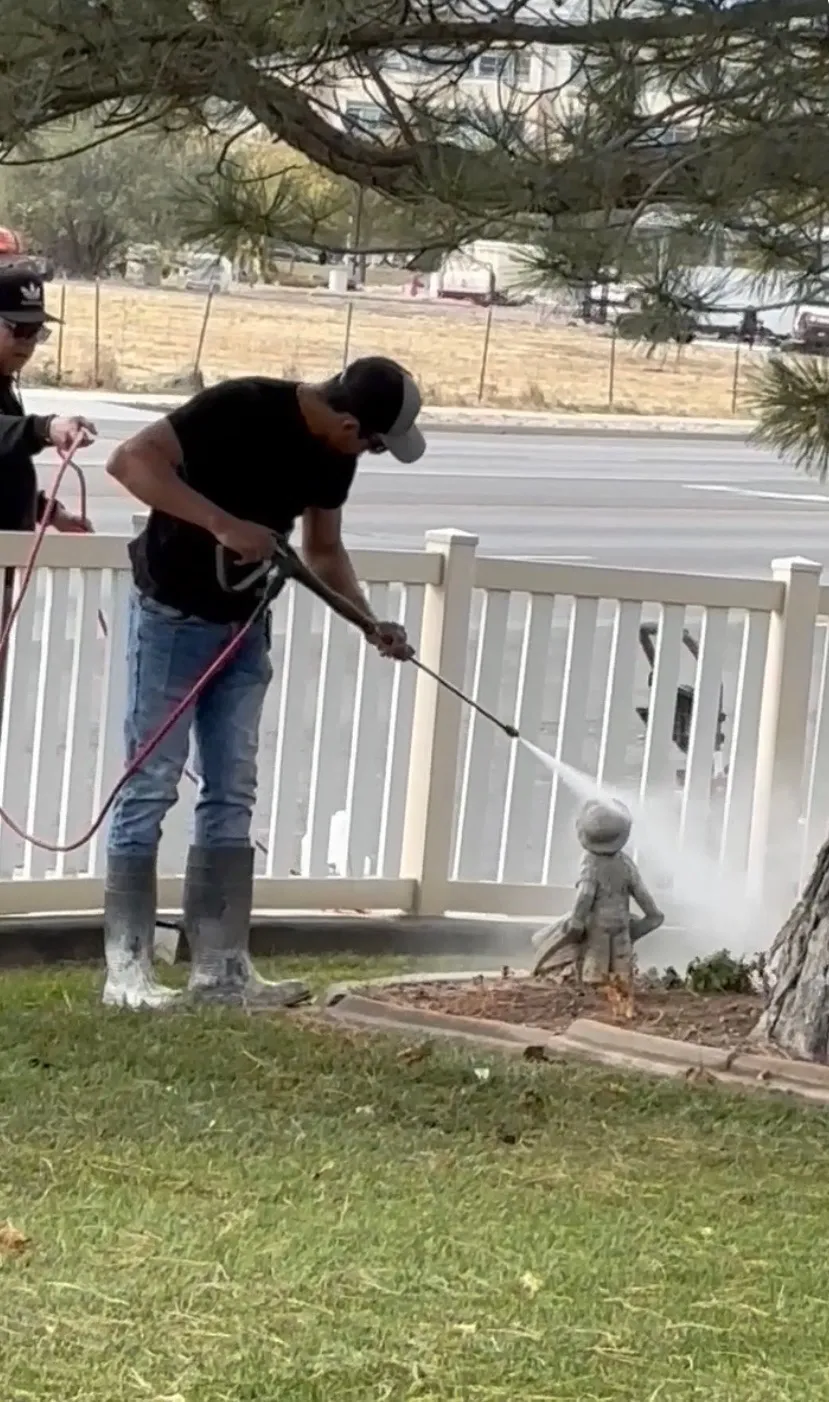
Pressure washing (sometimes called power washing) removes dirt, algae, mildew, and buildup from exterior surfaces without the damage that comes from the wrong technique or equipment. JKV Contractors brings the right PSI and the right nozzle for each surface — concrete, vinyl siding, wood decks, and brick all need different settings.
Whether you're prepping for a paint job, getting ready to sell, or just want your property looking sharp again — we show up, we do it right, and we leave the place looking like it was just built.
Scope of Work
What We Pressure Wash
- Pressure washing
- House washing
- Driveway pressure washing
- Sidewalk pressure washing
- Patio pressure washing
- Deck cleaning
- Fence cleaning
- Siding cleaning
- Brick cleaning
- Stucco cleaning
- Concrete cleaning
- Garage floor cleaning
- Gutter cleaning
- Exterior house cleaning
- Mold removal
- Mildew removal
- Algae removal
- Green stains on siding
- Black stains on concrete
- Cobweb removal
- Spider web removal
- Pressure washing before painting
- Pressure washing before selling a home
- Curb appeal cleaning
Let's Talk About Your Project?
The JKV Difference
Why Homeowners in Salt Lake County Choose JKV for Pressure Washing
Right Pressure for Every Surface
Concrete, wood, vinyl, and brick all need different PSI settings. We dial it in correctly so surfaces get clean without damage — no etching, no splintering, no stripped paint.
Prep Work Done Right
Pressure washing is often the first step before painting, staining, or sealing. We clean to the standard those jobs require — not just surface-level, but deep enough that coatings actually bond.
No Mess Left Behind
We contain runoff, protect landscaping, and leave your property cleaner than we found it. No dirty water pooling in flower beds, no debris tracked across your clean driveway.
Frequently Asked Questions
Pressure Washing Questions Homeowners Often Ask
Whether you're wondering if your home really needs cleaning, trying to understand why certain stains keep coming back, or simply want to know what to expect before work begins, these answers are here to help you feel more informed and confident before your project starts.
How do I know if my home really needs pressure washing?
Most homeowners don't wake up one morning and suddenly notice their house needs to be cleaned. It's usually something that builds up gradually over time.
Dirt, pollen, dust, algae, mildew, cobwebs, road grime, and other environmental buildup slowly collect on siding, concrete, fences, patios, driveways, and other exterior surfaces. Because it happens gradually, many people don't realize how much the appearance of their home has changed until it's cleaned.
One thing we've learned is that pressure washing isn't just about curb appeal. In many cases, removing organic buildup can also help protect exterior materials from unnecessary wear and discoloration over time.
That's one reason we believe exterior cleaning should be viewed as routine home maintenance rather than something that's only done when the house begins looking dirty.
A clean home doesn't just look better—it gives exterior surfaces a better chance to last longer.
JKV Tip: Walk around your home after it rains. Areas that stay damp longer often become the first places where algae, mildew, or discoloration begin developing.
How should I prepare my property before pressure washing begins?
Preparing your property ahead of time helps protect your belongings and allows work to begin right away.
Before we arrive, it's important to remove patio furniture, grills, decorations, potted plants, welcome mats, vehicles, toys, and other personal belongings from the areas being cleaned whenever possible. Doors and windows should be closed, and if you have delicate outdoor décor or decorations near the work area, it's best to move them somewhere safe before we begin.
Taking a few minutes to prepare beforehand allows us to focus on cleaning instead of moving personal belongings or worrying about accidentally damaging something that could have been removed ahead of time.
That's one reason we believe preparation is part of every successful project. A little planning beforehand usually makes the entire process smoother for everyone.
Preparing the space helps protect the things you care about and allows us to focus on restoring the things you hired us to clean.
JKV Tip: If there's an exterior electrical outlet, doorbell camera, or other item you're concerned about, mention it during your estimate so we can discuss the best approach before work begins.
Can pressure washing damage my home?
It can—if it's done incorrectly.
Many homeowners are surprised to learn that pressure washing isn't simply about using the highest pressure possible. Different materials require different techniques. Concrete can tolerate much more pressure than painted siding, wood, vinyl, composite decking, or delicate trim. Using the wrong pressure or technique can damage surfaces instead of cleaning them.
One thing we've learned is that successful exterior cleaning comes from understanding the material first and choosing the appropriate cleaning method second. More pressure isn't always better. In many situations, the right approach is using the proper cleaning solution together with lower pressure rather than relying on force alone.
That's one reason we believe every project should begin by identifying what we're cleaning before deciding how to clean it.
The goal isn't to use more pressure—it's to use the right amount.
JKV Tip: If someone tells you they use the same pressure setting on every surface, that's a good reason to ask more questions. Different materials deserve different approaches.
Why do algae, mildew, and green stains keep coming back?
This is one of the questions we hear most often.
Algae, mildew, moss, and other organic growth thrive where moisture and shade stick around the longest. North-facing walls, shaded fences, damp concrete, areas beneath trees, and places with limited sunlight naturally create conditions where these organisms return more quickly than sunny, dry areas.
One thing that surprises many homeowners is that pressure washing removes the visible growth, but it doesn't change the environment that allowed it to grow there in the first place. Things like tree coverage, drainage, irrigation, and how much sunlight a surface receives all influence how quickly buildup returns.
That's one reason we believe it's helpful to understand why certain areas become dirty faster than others. Knowing what causes the buildup helps homeowners set realistic expectations about future maintenance.
The cleaner isn't fighting the stain—it's fighting the conditions that allow the stain to return.
JKV Tip: If one side of your home always seems dirtier than the others, pay attention to how much sunlight it receives throughout the day. Shade and moisture often explain the difference.
Should I have my gutters cleaned at the same time as pressure washing?
Yes—we actually recommend it. When homeowners invest in cleaning the exterior of their home, it makes sense to include the gutters as part of the project. After all, they're one of the most visible features on the outside of your home and play an important role in protecting it.
Our process begins on the roof. Javier removes leaves, pine needles, seed pods, roofing granules, and other debris by hand before making sure the downspouts are flowing properly. Once the gutters are functioning the way they should, we pressure wash the outside of the gutters as part of cleaning the rest of your home's exterior. By the time we're finished, the gutters don't just work better—they look like they belong on a freshly cleaned home.
One thing we've learned is that homeowners often notice the siding and concrete first, but from the street, dirty gutters can still make the entire home feel like it needs attention. Cleaning the house while leaving stained gutters behind is a little like washing your car but never cleaning the wheels. The overall impression just isn't the same.
That's one reason we believe exterior maintenance should be looked at as a complete project rather than a collection of unrelated tasks. When the siding, concrete, walkways, and gutters are all cleaned together, the entire property feels brighter, cleaner, and better cared for.
A beautifully cleaned exterior isn't complete until the gutters look just as clean as the rest of the home.
JKV Tip: If it's been a while since your gutters were cleaned, combining gutter cleaning with pressure washing is one of the most effective ways to refresh your home's appearance while helping rainwater flow where it's supposed to.
Will pressure washing help reduce spiders, cobwebs, and insects around my home?
Yes—it often helps more than many homeowners expect.
One of the biggest benefits of pressure washing is that it removes the things spiders and many insects depend on. Cobwebs, spider egg sacs, mud dauber nests, wasp nests that are no longer active, insect debris, dust, pollen, and other buildup are often washed away during a thorough exterior cleaning. Removing those hiding places and nesting areas can make it much less inviting for spiders to immediately settle back into the same locations.
Many homeowners also notice that once the eaves, soffits, siding, fences, patios, and entryways are cleaned, they're simply not seeing as many cobwebs hanging around their home. While new spiders and insects will eventually return—as they naturally do outdoors—starting with a clean exterior often gives you a fresh start.
That said, pressure washing isn't a substitute for professional pest control. If your home has an active insect infestation or recurring pest problem, a licensed pest control company can treat the cause while pressure washing helps remove the evidence, old nests, webs, and buildup that pests leave behind.
That's one reason we believe pressure washing and routine pest control can work hand-in-hand. One helps create a cleaner, less inviting environment, while the other addresses ongoing insect activity.
Sometimes the best way to discourage pests is to take away the places they've already made themselves at home.
JKV Tip: If you already have a regular pest-control service, consider scheduling your pressure washing shortly before or shortly after their treatment. A freshly cleaned exterior removes old webs and nests, while pest control helps discourage new ones from taking their place.
Can pressure washing really increase my home's curb appeal?
Absolutely—and sometimes the difference is much bigger than homeowners expect.
Because dirt and discoloration build up gradually, many people stop noticing them altogether. After a professional cleaning, siding looks brighter, concrete appears lighter, fences regain their natural color, patios feel more inviting, and the entire property often looks newer without replacing a single material.
This can be especially valuable if you're preparing to sell your home. Exterior cleaning is often one of the most cost-effective ways to improve a buyer's first impression before they ever walk through the front door.
That's one reason we believe pressure washing isn't simply about cleaning—it's about helping homeowners take pride in the appearance of their property while protecting the investment they've already made.
Sometimes the biggest improvement isn't changing your home—it's revealing what was already there.
JKV Tip: If you're planning to sell your home, consider scheduling exterior cleaning before taking listing photos. Clean concrete, siding, and walkways often make a noticeable difference in online photos where first impressions matter most.
How long do the results of pressure washing usually last?
That depends on your home's environment more than anything else.
Homes surrounded by mature trees, heavy shade, irrigation overspray, or high moisture naturally collect dirt, pollen, algae, and mildew faster than homes with more sunlight and airflow. The type of surface also matters. Concrete, composite decking, painted siding, fences, and masonry all weather differently.
One thing we've learned is that homeowners aren't usually looking for a permanent solution—they're looking for a maintenance plan that keeps their home looking cared for year after year.
That's one reason we encourage homeowners to think of pressure washing the same way they think about changing furnace filters, cleaning gutters, or servicing an air conditioner. Regular maintenance often keeps small problems from becoming larger ones.
A home that's cleaned regularly almost always stays looking newer than one that's only cleaned when it becomes noticeably dirty.
JKV Tip: Most homeowners find that scheduling exterior cleaning every year or two keeps buildup manageable and helps protect the appearance of their home without waiting until it looks neglected.
How often should I have my home pressure washed?
This is one of those questions where there isn't one schedule that works for every home.
How often your home needs cleaning depends on several factors, including how much shade your property receives, the number of trees nearby, your irrigation system, local weather, and the materials on your home. Some properties stay looking clean for years, while others begin collecting dirt, pollen, algae, and mildew much more quickly.
One thing we've learned is that homeowners usually wait until their home looks noticeably dirty before thinking about pressure washing. By that point, the buildup has often been there for quite some time. Routine cleaning is usually easier on exterior surfaces than waiting until heavy staining develops.
That's one reason we believe pressure washing should be thought of as preventative maintenance rather than an occasional cosmetic project. Staying ahead of the buildup often keeps your home looking better with less effort over time.
It's easier to maintain a clean home than it is to restore a neglected one.
JKV Tip: Most homeowners find that pressure washing every year or two helps keep exterior surfaces looking their best, but your home's environment should always determine the schedule—not the calendar.
Can pressure washing damage my home's exterior?
This is an excellent question because many homeowners assume pressure washing is simply a matter of pointing the spray wherever something looks dirty. In reality, professional pressure washing is much more about choosing the right technique than using the highest pressure.
Different exterior materials require different approaches. Concrete can generally tolerate much higher pressure than vinyl siding, painted wood, composite decking, fences, soffits, windows, or decorative trim. Professional pressure washers use a variety of nozzles, spray patterns, and pressure settings depending on what they're cleaning. In some situations, a lower-pressure "soft wash" combined with the proper cleaning solution produces a better result than high pressure ever could.
One thing we've learned is that pressure washing can sometimes reveal problems that were already there. Loose paint, deteriorated caulking, rotted wood, cracked mortar, failing grout, weathered stain, brittle siding, or other surfaces that have reached the end of their life may become more noticeable during cleaning because the pressure removes material that was already failing. In those situations, the pressure washer didn't create the problem—it exposed a condition that already existed.
That's one reason we never believe in using maximum pressure everywhere. Every project begins by looking at the materials, their condition, and choosing the safest cleaning method for each surface. The goal isn't simply to make things cleaner—it's to clean them responsibly.
The best pressure washing isn't about using more pressure—it's about using the right pressure in the right place.
JKV Tip: If you know your home has peeling paint, deteriorated wood, loose mortar, cracked caulking, or other aging materials, mention it during your estimate. Identifying those areas beforehand helps us choose the safest cleaning method and set realistic expectations about what cleaning may reveal.
What should I do after my home has been pressure washed?
One of the nicest parts about pressure washing is seeing your home looking refreshed again—but a little maintenance afterward can help those results last even longer.
Keeping gutters clear, trimming shrubs away from siding, reducing irrigation overspray, and occasionally brushing away fresh cobwebs before they become established all help slow the return of dirt and organic buildup. If your home has areas that stay damp or shaded, checking them periodically can also help catch algae or mildew before it spreads.
One thing we've learned is that small maintenance habits often make a much bigger difference than homeowners expect. A few minutes of attention every now and then can help your home continue looking clean long after the pressure washing is finished.
That's one reason we encourage homeowners to think of pressure washing as the beginning of good exterior maintenance—not the end of it.
The easiest dirt to remove is the dirt that never has time to build up.
JKV Tip: Take a few updated photos of your home after it's cleaned. They're helpful for insurance documentation, future maintenance comparisons, and you'll appreciate seeing just how much of a difference the cleaning made.
How do I know if pressure washing is a good fit for my home?
Pressure washing is one of those services that benefits almost every home—but every property is a little different.
Some homeowners are preparing to sell and want to improve curb appeal. Others simply want to enjoy spending time outside again. Sometimes the goal is protecting exterior materials, cleaning a stained driveway, refreshing a deck before staining, or getting the house ready for painting or other improvements.
One thing we've learned is that pressure washing often becomes part of a much larger plan for maintaining a home. It's rarely just about making things look cleaner—it's about protecting the investment you've already made and making your property something you're proud to come home to.
That's one reason we believe every project should start with understanding your goals, not simply deciding what equipment to use. Sometimes a small cleaning project makes a bigger difference than homeowners ever expected.
A cleaner home isn't just more enjoyable to look at—it's often easier to care for in the years ahead.
JKV Tip: If you're planning other exterior improvements like painting, staining, gutter cleaning, landscaping, or concrete repairs, mention them during your estimate. Coordinating those projects often creates better results and can save time in the long run.
Other Services You Might Need
Serving homeowners throughout Salt Lake County and the Wasatch Front
Ready to Get This Done?
Call or text us for a free consultation. We show up, we finish the job, and we treat your home like it's ours.